Choosing the right fabric for children’s summer clothes can make a huge difference in comfort and durability. With so many options like cotton, linen, and synthetic blends, it’s important to know which materials keep kids cool and dry during those hot, active days.
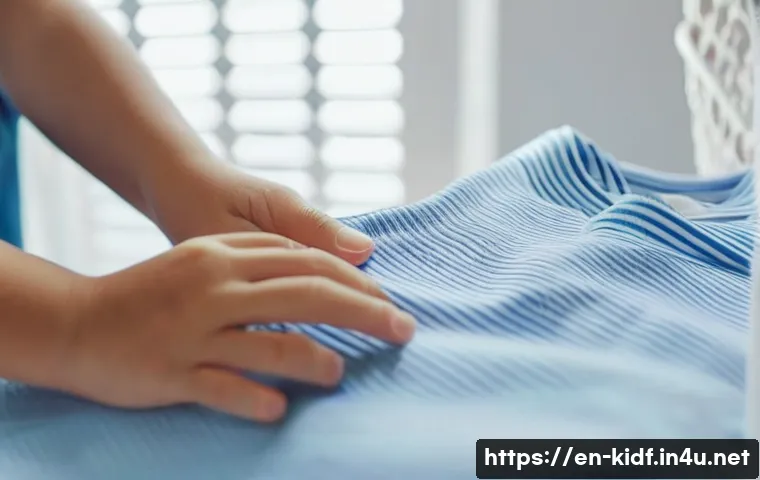
I’ve noticed firsthand how some fabrics breathe better and resist stains, making life easier for both parents and kids. Plus, considering eco-friendly choices adds another layer to this decision.
Let’s dive into the pros and cons of popular summer fabrics for kids and see which ones truly stand out. We’ll get into all the details below!
Breathability and Comfort: What Fabrics Keep Kids Cool?
Natural Fibers That Let Air Flow
When it comes to keeping children comfortable in the summer heat, breathability is key. Natural fabrics like cotton and linen excel here because their fibers allow air to circulate freely, which helps sweat evaporate quickly.
I’ve noticed that kids wearing cotton tees or linen shorts tend to feel less sticky and more refreshed, even after running around outside for hours. Cotton, especially when it’s lightweight and loosely woven, provides softness without trapping heat.
Linen, although a bit rougher at first, softens beautifully after a few washes and offers superior airflow, making it a great choice for more formal summer wear.
Synthetic Fabrics: Lightweight but Tricky
Synthetic blends like polyester or nylon often get a bad rap for being less breathable, and that’s partly true. These materials can trap heat and moisture, making kids feel clammy if they’re playing hard.
However, modern advancements in fabric technology have introduced moisture-wicking synthetics designed to pull sweat away from the skin. I tried a few synthetic-blend shirts with my nephew during a summer camp, and they stayed dry longer than pure cotton shirts.
That said, synthetics can sometimes hold onto odors, which means more frequent washing is necessary.
Blends That Balance Comfort and Durability
Blended fabrics, such as cotton-polyester mixes, offer a nice middle ground. They combine the softness and breathability of cotton with the durability and wrinkle resistance of synthetics.
From my experience, these blends tend to last longer and resist shrinking or fading, which is a big plus when kids are active and messy. Although they might not be as airy as pure cotton or linen, they often dry faster and maintain their shape better, making them practical for everyday summer wear.
Durability and Stain Resistance: Surviving Kids’ Active Days
How Cotton Holds Up to Wear and Tear
Cotton’s natural softness makes it a favorite for kids’ clothing, but it can sometimes fall short on durability. Thin cotton fabrics may wear out quickly with rough play or frequent washing.
However, heavier cotton weaves, like canvas or twill, are surprisingly resilient. From what I’ve seen, parents often prefer thicker cotton pieces for bottoms or outer layers because they stand up to scrapes and repeated washes without losing shape.
Why Synthetics Are Tougher Against Stains
Synthetic fabrics shine when it comes to resisting stains. They don’t absorb liquids as easily as natural fibers, which means spills often sit on the surface and can be wiped away more readily.
I remember my cousin’s kids wearing polyester shirts during a picnic; even after grass stains and ketchup spills, their clothes looked decent after a simple rinse.
This stain resistance makes synthetics very appealing for younger kids prone to messes.
Blends for the Win: Combining Strength and Ease
Blended fabrics often inherit the best qualities from both natural and synthetic fibers. For example, a cotton-polyester blend can offer softness and stain resistance simultaneously.
These fabrics also tend to dry quickly, which is great for parents dealing with multiple laundry loads during the summer. In my experience, blended clothes are the go-to option for school uniforms or play clothes where durability and easy care are priorities.
Eco-Friendly Choices: Sustainable Fabrics for Kids
Organic Cotton: Soft and Responsible
Organic cotton is grown without synthetic pesticides or fertilizers, making it a more environmentally friendly option. Beyond the sustainability factor, I’ve found organic cotton to be incredibly gentle on sensitive skin, which is a big plus for children prone to allergies or eczema.
Although organic cotton can be pricier, the peace of mind knowing it’s better for the planet and your child’s health often justifies the investment.
Hemp and Bamboo: Emerging Eco Alternatives
Hemp and bamboo fabrics are gaining traction as sustainable kids’ clothing options. Hemp is incredibly durable and naturally resistant to UV rays and mold, which makes it perfect for summer wear.
Bamboo, on the other hand, feels silky soft and has excellent moisture-wicking properties. I’ve tried bamboo fabric on my niece, and she loved how smooth and cool it felt against her skin.
Both materials are biodegradable, adding an eco-conscious edge to your summer wardrobe choices.
Recycled Fibers: Closing the Loop
Recycled polyester and nylon, often made from plastic bottles or fishing nets, represent an innovative way to reduce waste. These fabrics can offer similar performance to virgin synthetics but with a much smaller environmental footprint.
While recycled fibers might not be as soft as organic cotton or bamboo, they’re improving rapidly in quality. Choosing recycled options supports circular fashion and teaches kids about sustainability through practical choices.
Moisture Management: Keeping Kids Dry and Comfortable
Why Moisture-Wicking Matters
When kids are active, sweat is inevitable. Fabrics that wick moisture away from the skin help prevent chafing and overheating. Synthetic performance fabrics are usually designed for this, pulling sweat to the surface where it evaporates quickly.
I’ve seen my son’s summer sports shirts do an amazing job at this, leaving him feeling dry even after intense play. This feature is especially important for kids prone to heat rashes or skin irritations.
Natural Fabrics and Moisture Absorption
Natural fibers like cotton absorb moisture rather than wick it away, which can sometimes leave kids feeling damp. However, in light, breathable weaves, cotton can still keep kids comfortable by allowing evaporation.
Linen is even better at moisture absorption and drying fast, which is why it’s often preferred for hot climates. From my experience, layering with a cotton undershirt under a synthetic outer layer can provide the best moisture management.
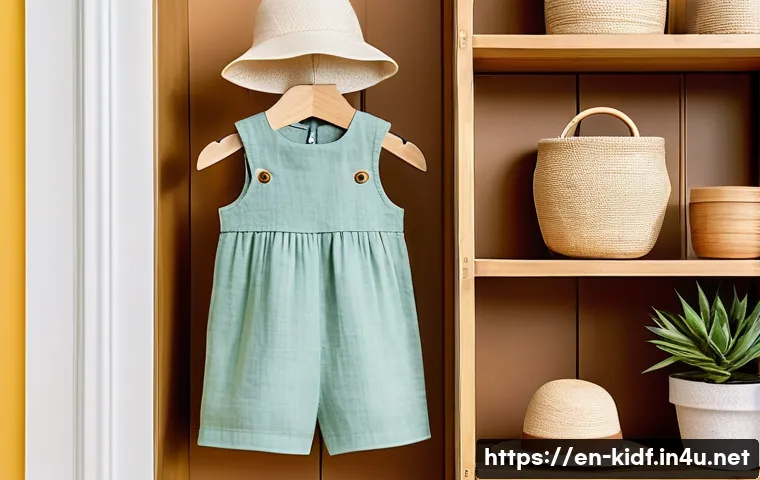
Fabric Care Tips to Maintain Moisture Control
Proper care extends the life and performance of moisture-managing fabrics. Avoiding fabric softeners and washing synthetics in cold water preserves their wicking ability.
For natural fibers, regular washing prevents buildup that can reduce breathability. I’ve found that air drying keeps fabrics fresher and prevents shrinking, so it’s worth the extra effort during summer laundry routines.
Comparing Popular Summer Fabrics: A Handy Overview
| Fabric | Breathability | Durability | Moisture Management | Eco-Friendliness | Care Requirements |
|---|---|---|---|---|---|
| Cotton | High | Medium (varies by weave) | Absorbs moisture | Standard or organic available | Machine wash, avoid harsh detergents |
| Linen | Very High | High | Absorbs and dries fast | Natural and biodegradable | Gentle wash, air dry recommended |
| Polyester (Synthetic) | Low to Medium | Very High | Wicks moisture | Usually non-biodegradable, recycled options exist | Cold wash, avoid fabric softener |
| Cotton-Polyester Blend | Medium | High | Moderate moisture control | Depends on materials used | Machine wash, air dry preferred |
| Hemp | High | Very High | Absorbs moisture well | Highly sustainable | Gentle wash, air dry |
| Bamboo | High | Medium | Wicks moisture | Eco-friendly and biodegradable | Delicate wash, air dry |
Softness and Skin Sensitivity: What Works Best for Delicate Skin?
Why Softness Matters to Kids
Kids can be surprisingly picky about how their clothes feel, especially during hot weather when sweat can exacerbate irritation. Soft fabrics like cotton and bamboo tend to be the most comfortable and least likely to cause itchiness.
I’ve had to switch my daughter’s summer wardrobe several times because rougher fabrics made her fidget or complain. Softness not only improves comfort but also encourages kids to keep their clothes on longer during play.
Hypoallergenic Fabric Options
For children with sensitive skin or eczema, hypoallergenic fabrics are a game changer. Organic cotton, bamboo, and hemp are often recommended because they avoid the harsh chemicals and dyes common in conventional fabrics.
From personal experience, switching to organic cotton pajamas during summer nights reduced my son’s skin flare-ups dramatically. Choosing the right fabric can make a real difference in preventing discomfort and skin reactions.
Fabric Finishes and Additives to Watch For
Some summer clothes come treated with stain repellents, UV protection, or wrinkle resistance. While these finishes can improve durability and protection, they sometimes irritate sensitive skin.
I’ve noticed that garments with heavy chemical finishes might cause redness or itching for some kids. When shopping, it’s a good idea to look for labels that mention “dermatologist tested” or “free from harmful chemicals” to ensure comfort and safety.
Style and Practicality: What Parents and Kids Actually Need
Choosing Fabrics for Easy Care
Summer clothes for kids should be low maintenance, especially with busy parents juggling school, camps, and playdates. Fabrics that resist wrinkles, dry quickly, and don’t require ironing save time and hassle.
Blended fabrics often fit this bill perfectly. I’ve found that when clothes look neat without extra effort, kids feel more confident, and parents breathe easier.
Color Retention and Fading Resistance
Bright, fun colors are a staple of kids’ summer wardrobes, but some fabrics fade faster than others. Synthetics and blends generally hold color better through multiple washes, while natural fabrics like cotton and linen may fade or develop a sun-bleached look.
I remember my son’s favorite red shirt looking washed out after just one summer, so I now lean toward blends when vibrant colors matter most.
Balancing Style with Function
Kids want clothes that look good and feel good, while parents want durability and practicality. Thankfully, many brands now offer stylish summer options made from breathable, durable fabrics.
From my own shopping trips, I’ve noticed lightweight linen dresses and cotton-blend shorts that are both trendy and functional. Prioritizing fabrics that meet these needs makes summer dressing less stressful and more fun for everyone involved.
글을 마치며
Choosing the right fabrics for kids’ summer wear is all about balancing comfort, durability, and practicality. Natural fibers like cotton and linen offer breathability, while synthetics and blends bring durability and moisture management to the table. Incorporating eco-friendly options adds an extra layer of responsibility. With the right choices, kids can stay cool, comfortable, and stylish all summer long.
알아두면 쓸모 있는 정보
1. Natural fabrics such as cotton and linen are best for breathability and keeping kids cool during hot days.
2. Synthetic fabrics with moisture-wicking technology are great for active kids but may require more frequent washing due to odor retention.
3. Blended fabrics strike a good balance between softness, durability, and easy care, making them ideal for everyday wear.
4. Organic and sustainable fabrics like hemp, bamboo, and recycled fibers not only benefit the environment but also suit sensitive skin.
5. Proper fabric care, including avoiding fabric softeners and air drying, helps maintain moisture management and prolong garment life.
중요 사항 정리
When selecting summer clothes for children, prioritize fabrics that offer excellent breathability and moisture management to keep them comfortable and dry. Durability and stain resistance are crucial for active play, so blends and synthetics often outperform pure natural fibers in longevity. For kids with sensitive skin, hypoallergenic and chemical-free fabrics provide safer options. Lastly, consider eco-friendly materials to support sustainability while ensuring ease of care and color retention for long-lasting wear.
Frequently Asked Questions (FAQ) 📖
Q: What fabric is best for keeping kids cool and comfortable during hot summer days?
A: From my experience, natural fibers like cotton and linen are the top choices for summer kids’ clothes. Cotton is soft, breathable, and absorbs sweat well, which helps keep kids feeling dry and cool.
Linen, while a bit pricier, offers excellent breathability and a lightweight feel that’s perfect for very hot days. I’ve noticed my kids stay less sweaty and more comfortable in these fabrics compared to synthetics, which tend to trap heat and moisture.
Q: Are synthetic blends a good option for children’s summer clothing?
A: Synthetic blends can be a mixed bag. Some blends with polyester or nylon are designed to wick moisture away and dry quickly, which can be helpful for very active kids.
However, they sometimes lack breathability, causing kids to overheat or feel sticky, especially in intense heat. In my own trials, clothes with a higher percentage of natural fibers and just a small synthetic mix strike the best balance between durability and comfort.
Q: How important is choosing eco-friendly fabrics for kids’ summer wear?
A: It’s becoming increasingly important, and I’ve found many parents are looking for sustainable options. Organic cotton and bamboo fabrics are great eco-friendly picks that don’t compromise on comfort or breathability.
Besides being better for the environment, these fabrics often feel softer and are gentler on sensitive skin. If you want to make a positive impact while keeping your kids comfy, opting for eco-conscious materials is definitely worth considering.