With kids staying more active than ever, finding sportswear that keeps up with their energy is a real game-changer for parents. As outdoor play and youth sports programs gain popularity, the demand for durable, comfy gear is skyrocketing.
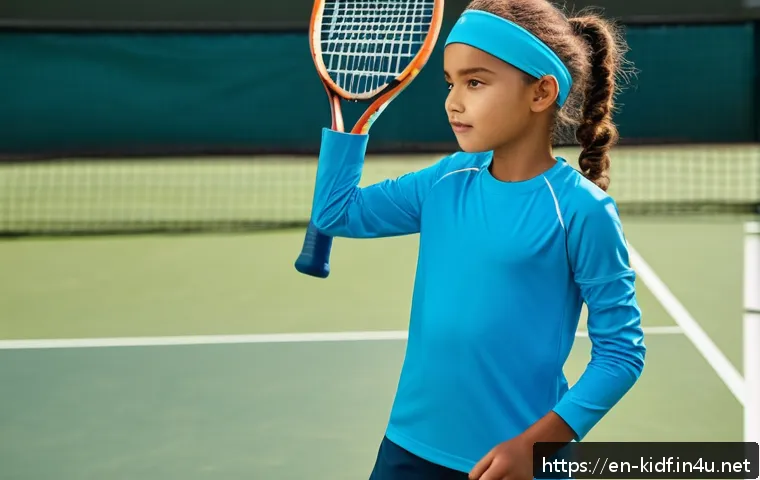
I’ve noticed firsthand how the right outfit can make all the difference in a child’s confidence and enjoyment during activities. But with so many options flooding the market, choosing the perfect sportswear can feel overwhelming.
In this post, I’ll share essential tips to help you pick gear that’s both tough and comfortable, so your little athlete can focus on having fun and staying active.
Let’s dive into what really matters when it comes to kids’ sportswear!
Choosing Materials That Withstand Active Play
Durability Meets Comfort: Finding the Right Fabric Blend
When it comes to kids’ sportswear, the fabric really makes or breaks the experience. From what I’ve seen with my own kids and friends, blends like polyester-spandex or nylon-cotton strike the perfect balance.
These materials offer enough stretch to keep up with fast movements while resisting tears and abrasions from rough play. It’s not just about toughness though—breathability is key, too.
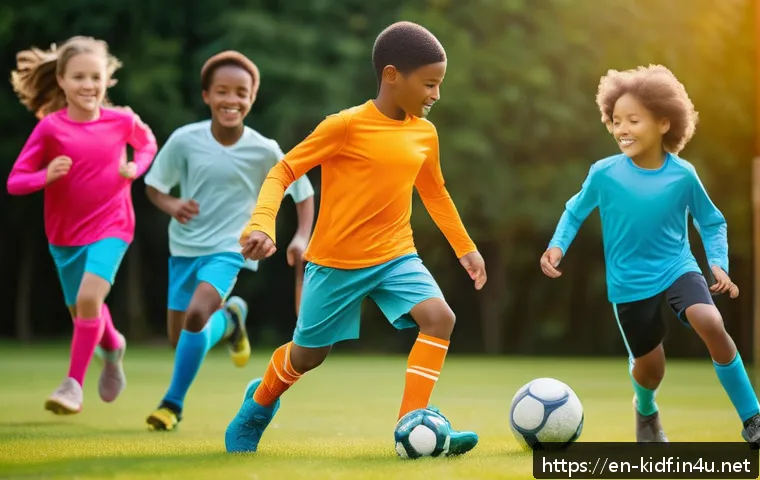
Kids get sweaty quickly, and fabrics that wick moisture away help prevent discomfort and skin irritation. I remember switching my son’s sports tees to moisture-wicking blends and noticing how much more he enjoyed soccer practice without constantly feeling sticky or overheated.
Why Breathability Can’t Be Overlooked
Many parents overlook breathability, focusing mostly on durability or style. But trust me, when a child’s outfit traps heat and sweat, it’s a recipe for distraction and crankiness.
Look for fabrics labeled as “moisture-wicking” or “quick-dry” to keep your little athlete cool and dry. Mesh panels or ventilation zones are added bonuses that boost airflow in high-sweat areas like underarms or the back.
Kids tend to be picky about comfort, so investing in breathable sportswear really pays off in longer, happier play sessions.
Easy Care Fabrics for Busy Families
Life with kids means laundry is a never-ending story, so sportswear that can survive frequent washing without fading or shrinking is a must. I always check the care instructions before buying.
Materials like polyester blends usually hold up well in the wash and dry quickly, making them perfect for back-to-back practices and games. Plus, wrinkle-resistant fabrics help keep kids looking sharp without extra ironing.
For parents juggling schedules, this low-maintenance aspect is a real lifesaver.
Ensuring Proper Fit for Maximum Mobility
The Importance of Sizing Accuracy
Kids grow fast, which makes sizing a tricky but crucial factor. I’ve noticed that clothes that are too tight restrict movement, while oversized gear can cause tripping or get caught during play.
Taking accurate measurements of your child’s chest, waist, and inseam before purchasing sportswear can save you from returns or unhappy kids. Many brands offer detailed sizing charts, and comparing those with your child’s current clothes often leads to better choices.
When shopping online, reading customer reviews about fit helps too—sometimes a brand runs small or large, and that info is gold.
Adjustable Features for Growing Kids
Look for sportswear with adjustable elements like elastic waistbands, drawstrings, or hook-and-loop fasteners. These features provide flexibility as your child grows and can extend the lifespan of the clothing.
I’ve found that pants with adjustable waists or tops with some stretch in the cuffs work wonders for accommodating different body types and keeping kids comfortable throughout their activities.
Allowing for Layering Without Bulk
Layering is a smart strategy, especially when kids move between indoor and outdoor activities or deal with changing weather. Choosing sportswear that fits well but still allows for a lightweight jacket or base layer underneath helps maintain comfort and warmth without feeling bulky.
Fabrics with some stretch and slim cuts often provide this versatility, enabling kids to adapt to different temperatures easily.
Safety and Visibility Features for Outdoor Play
Reflective Elements for Low-Light Conditions
As many youth sports and outdoor activities happen during early mornings or evenings, visibility can be a safety concern. I always prioritize sportswear that includes reflective strips or accents.
These small details make a huge difference when kids bike home from practice or play near streets at dusk. It’s reassuring to know they’re more visible to drivers and other pedestrians, especially in busy neighborhoods.
Sun Protection Built Into the Fabric
Sun exposure during outdoor activities is a real worry for parents like me. Thankfully, many sportswear brands now offer UPF-rated fabrics that block harmful UV rays.
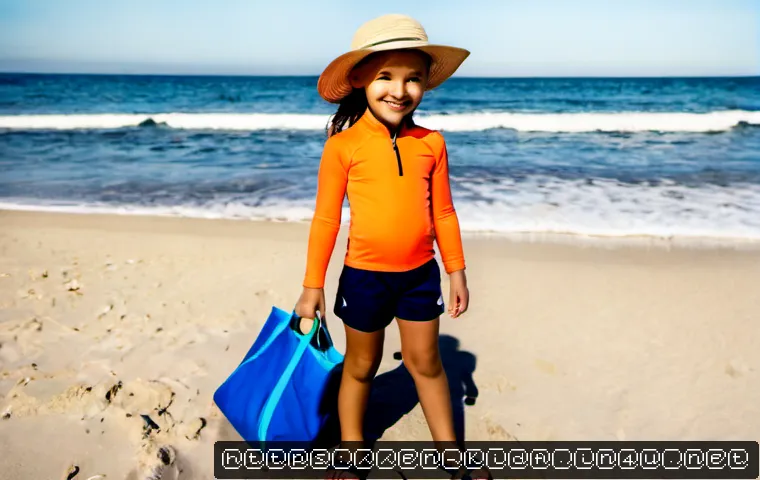
This added protection is a game-changer, reducing the need for constant reapplication of sunscreen and giving parents peace of mind. When my daughter switched to a UPF 50+ long-sleeve sports shirt for tennis, I noticed she stayed more comfortable and less prone to sunburn, even on the hottest days.
Choosing Non-Restrictive Designs for Safety
Safety isn’t just about visibility or sun protection; the design itself matters. Avoid clothing with loose strings, overly long hems, or bulky accessories that can catch on equipment or cause tripping hazards.
Streamlined, fitted designs reduce these risks while allowing full freedom of movement. My experience has shown that kids perform better and stay safer when their gear is thoughtfully designed with these factors in mind.
Style and Personal Expression in Sportswear
Encouraging Confidence Through Color and Design
Sportswear isn’t just functional—it’s also a way for kids to express themselves. Bright colors, fun patterns, and favorite team logos can boost a child’s confidence and excitement about participating in sports.
I’ve seen my niece light up when wearing her favorite superhero-themed sports shirt, and it’s amazing how much that small boost in enthusiasm impacts her willingness to stay active and try new skills.
Balancing Trends with Practicality
While trendy designs can be tempting, it’s important to balance style with practicality. I always remind myself that kids’ preferences change fast, so investing in classic colors or versatile pieces alongside trendy items helps maximize use.
Practicality also means choosing gear that’s easy to mix and match, making dressing for sports simpler and more fun.
Involving Kids in the Selection Process
Letting children have a say in their sportswear choices can lead to better acceptance and enjoyment. When my son picked out his own soccer shorts, he wore them with pride and enthusiasm throughout the season.
It’s a small but impactful way to encourage responsibility and independence, while ensuring the clothes truly suit their tastes and comfort needs.
Comparing Popular Sportswear Brands for Kids
Evaluating Quality Versus Price
There’s no shortage of brands offering kids’ sportswear, from high-end specialty lines to affordable department store options. I’ve learned that paying a bit more often means better durability and comfort, but there are some budget-friendly brands that hold up surprisingly well.
Reading detailed reviews and testing a few pieces personally helped me find a sweet spot between quality and cost. It’s worth investing in staple items like shoes and outerwear, while rotating cheaper basics for everyday use.
Brand Reputation and Customer Support
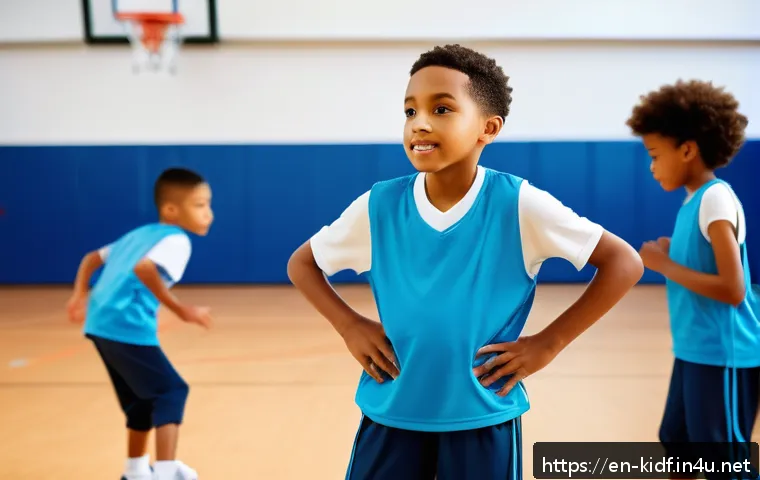
Choosing brands with strong reputations for quality and customer service makes a difference in long-term satisfaction. I’ve had brands replace defective items or offer helpful sizing advice, which is invaluable when buying for growing kids.
Checking return policies and warranty options also adds peace of mind.
Eco-Friendly and Sustainable Options
More brands are now offering sustainable sportswear made from recycled materials or organic fabrics. While these options sometimes come at a premium, they align with growing family values around environmental responsibility.
I find it rewarding to support companies that prioritize sustainability, and my kids enjoy knowing their gear has a smaller impact on the planet.
| Brand | Price Range | Durability | Breathability | Special Features | Eco-Friendly Options |
|---|---|---|---|---|---|
| Brand A | $$ | High | Excellent moisture-wicking | Reflective strips, UPF protection | Limited |
| Brand B | $ | Moderate | Good, mesh panels | Adjustable waistbands | No |
| Brand C | $$$ | Very High | Excellent | Sustainable fabrics, quick-dry | Yes |
| Brand D | $ | Moderate | Fair | Bright color options, easy care | No |
Maintaining Sportswear for Longevity
Washing Tips to Preserve Fabric Integrity
Proper care extends the life of sportswear, and I can’t stress this enough from experience. Washing in cold water and avoiding harsh detergents keeps fabrics looking fresh and elastic.
Turning clothes inside out before washing also protects prints and reflective elements. Avoiding fabric softeners helps maintain moisture-wicking properties, which I discovered after noticing some shirts lost their quick-dry ability.
Storage Practices to Avoid Damage
Storing sportswear properly between uses is often overlooked but crucial. Hanging items or folding them neatly prevents stretching and creasing. I try to keep them in a dry, ventilated area to avoid mildew or odors, especially for gear that isn’t worn daily.
Repairing Minor Wear and Tear
Kids’ sportswear inevitably gets worn out, but small repairs like stitching loose seams or patching holes can extend usability significantly. I keep a simple sewing kit handy and have patched several pairs of shorts and sleeves, saving money and reducing waste.
Teaching kids to care for their clothes also builds a sense of responsibility.
Prioritizing Comfort During High-Intensity Activities
Seam Placement and Design for Reduced Chafing
When kids are running, jumping, and stretching, seams can become a real source of discomfort. Choosing sportswear with flatlock seams or seamless designs made a noticeable difference in my daughter’s performance and willingness to wear certain outfits.
These thoughtful details reduce irritation and allow for smooth movement during intense activities.
Stretch and Recovery: Why It Matters
Fabrics that stretch and recover quickly help sportswear maintain shape and fit, even after hours of play. I’ve seen cheaper options lose their elasticity quickly, leading to sagging or bunching that distracts kids.
Investing in pieces with good stretch means clothes stay comfortable and supportive, encouraging kids to keep moving without fuss.
Temperature Regulation for Year-Round Comfort
Whether it’s a chilly morning or a hot afternoon, sportswear that adapts to temperature changes helps kids stay focused and comfortable. Layering options, breathable fabrics, and lightweight insulation pieces make a big difference.
I often layer my son in a moisture-wicking base layer with a lightweight jacket for early practices, and he stays comfortable throughout.
Encouraging Kids to Care About Their Sportswear
Teaching Responsibility Through Clothing Care
Getting kids involved in choosing and maintaining their sportswear fosters responsibility. I’ve found that when they help pick out gear, they’re more motivated to keep it clean and in good shape.
Simple habits like hanging up clothes after practice or checking for stains can be turned into fun routines.
Building Pride in Appearance and Performance
Feeling good in what they wear boosts kids’ confidence, which spills over into how they perform in sports. I’ve noticed that when my children are proud of their sportswear, they’re more eager to participate and try their best.
Encouraging this pride can be as simple as complimenting their outfits or letting them select accessories like headbands or socks.
Balancing Practicality with Personal Style
Helping kids understand the balance between looking good and being practical is important. I encourage choices that meet activity needs but also allow for self-expression.
This balance keeps them engaged and makes sportswear a positive part of their routine rather than a chore.
In Conclusion
Choosing the right sportswear for kids involves more than just picking a cool design. Prioritizing durable, breathable materials and ensuring proper fit can significantly enhance their comfort and performance. Safety features and ease of care add extra peace of mind for parents. Ultimately, letting children express themselves through their sportswear boosts confidence and keeps them motivated to stay active.
Helpful Tips to Remember
1. Always look for fabric blends that combine durability with breathability to keep kids comfortable during active play.
2. Accurate sizing and adjustable features prevent discomfort and allow for growth, reducing the need to replace clothes frequently.
3. Prioritize safety with reflective elements and UPF protection for outdoor activities in varying light and weather conditions.
4. Involve your child in selecting sportswear to encourage responsibility and pride in their gear.
5. Maintain sportswear properly by following washing and storage guidelines to extend its lifespan and performance.
Key Takeaways for Choosing Kids’ Sportswear
Durability and comfort must go hand in hand—fabric choice plays a critical role in ensuring kids can move freely without irritation. Proper fit, including adjustable elements, is essential to support growth and avoid accidents. Safety features like reflective strips and sun protection provide added security outdoors. Style matters too, as it helps build confidence and enthusiasm. Lastly, caring for sportswear correctly and involving kids in the process fosters long-term use and responsibility.
Frequently Asked Questions (FAQ) 📖
Q: What materials should I look for when buying sportswear for active kids?
A: When choosing sportswear for kids, prioritize breathable, moisture-wicking fabrics like polyester blends or nylon that keep sweat away from the skin. These materials dry quickly, preventing discomfort and chafing during intense play.
Additionally, look for stretchy fabrics with some elastane or spandex for unrestricted movement. Avoid 100% cotton, as it tends to hold moisture and can feel heavy when wet.
From my experience, investing in sportswear with these fabric qualities not only keeps kids comfortable but also extends the garment’s lifespan through frequent washing and wear.
Q: How can I ensure the sportswear is durable enough for rough outdoor activities?
A: Durability is key for kids’ sportswear, especially when they’re constantly climbing, running, or playing sports. Look for reinforced stitching around stress points like knees and elbows and double-layered fabrics in high-wear areas.
Ripstop fabrics or those with a tighter weave often resist tears better. Also, pay attention to the brand reputation and reviews focusing on longevity.
I once bought a set of sportswear that looked great but fell apart after a few weeks of soccer practice—since then, I always check for these durability features before purchasing.
Q: What features make kids’ sportswear more comfortable and practical for everyday use?
A: Comfort and practicality go hand in hand for kids’ sportswear. Features like adjustable waistbands, flat seams to prevent irritation, and tagless labels make a huge difference in all-day wear.
Pockets with secure closures are a bonus for storing small items during play. Also, consider easy-care fabrics that don’t require special washing instructions—this saves time and keeps the clothes looking fresh longer.
From my experience, kids are more eager to wear sports gear that feels good and fits well, which naturally encourages them to stay active.