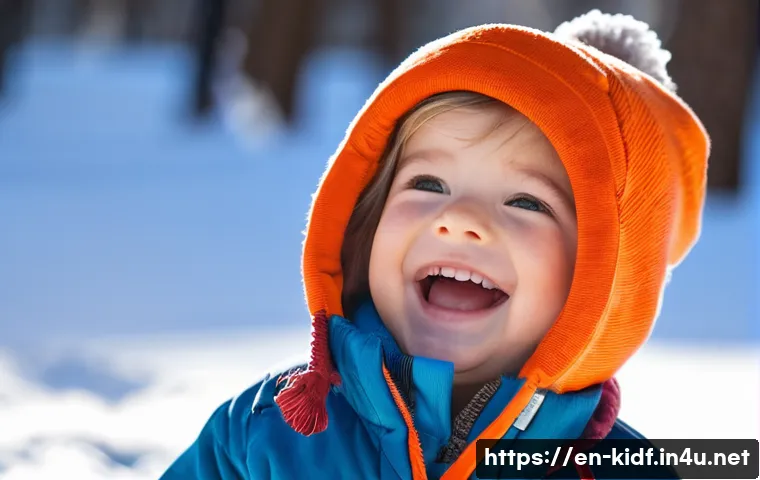
It’s that time of year again, folks! The days are getting shorter, there’s a definite nip in the air, and my morning coffee just tastes better when I’m bundled up.
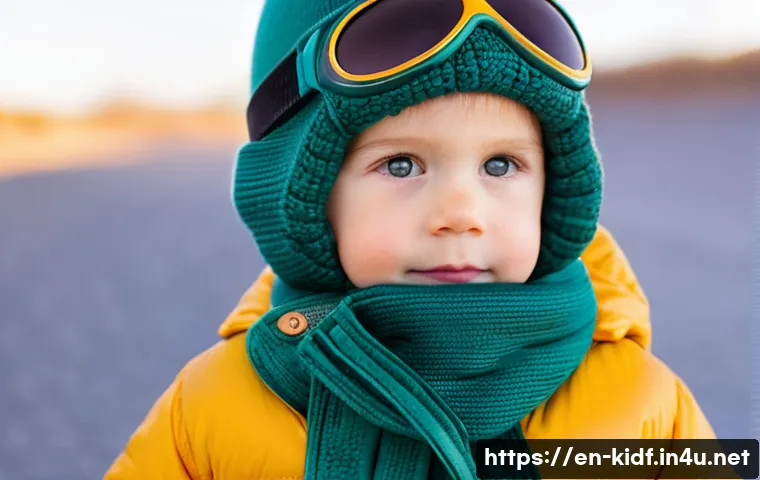
If you’re anything like me, you’re probably already thinking about how to keep your little ones snug and warm as winter approaches. Trust me, I’ve had my share of meltdowns – both theirs and mine – trying to figure out the perfect balance between cozy and comfortable, especially when they just want to play in the snow for hours!
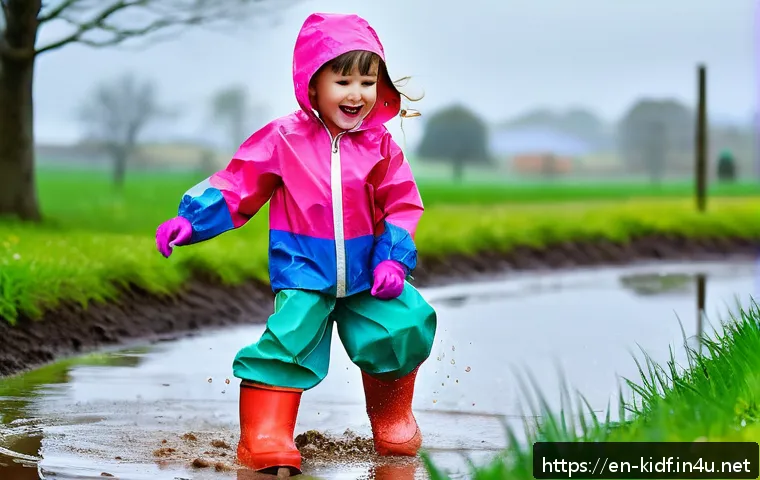
We all want our kids to enjoy the magic of winter, whether it’s building snowmen, sledding down hills, or just splashing in puddles. But let’s be real, keeping them warm, dry, and happy can feel like a mission sometimes.
From navigating confusing layering rules to finding gear that actually stands up to their endless energy (and spontaneous puddle jumps!), it’s easy to get overwhelmed.
I’ve spent years figuring out what truly works, and believe me, it’s not always about the most expensive item on the rack. The latest trends for 2025 are all about smart layering, sustainable fabrics, and designs that truly let kids be kids without compromising on warmth or style.
We’re seeing a real focus on breathable, waterproof materials and even fun prints like checkerboards and animal motifs that kids adore. It’s about combining function with fashion so your little adventurers can stay out longer and make those precious winter memories.
So, how do we make sure our children are perfectly protected from the cold without feeling like they’re waddling around in bulky snowsuits? How do we pick items that are durable enough to last, but also kind to the planet?
And what about those tricky car seat safety concerns with thick coats? Don’t worry, I’ve got you covered! Let’s dive in and accurately uncover the absolute best strategies and products for children’s winter wear.
Mastering the Art of Layering: The Secret to Happy Winter Explorers
I’ve learned, often the hard way through shivering kids and countless wardrobe changes, that true winter warmth isn’t about one super-thick coat; it’s all about smart layering.
Think of it like building a little personal igloo for your child – each layer serves a distinct purpose, trapping warmth and keeping moisture out. My own kids, bless their energetic souls, are constantly running, jumping, and then suddenly wanting to sit in the snow to “rest.” This means their body temperature fluctuates wildly, and a single heavy garment just doesn’t cut it.
The beauty of layering is its adaptability. When they’re building a snow fort, they might shed a layer; when they’re riding in the sled, they might need an extra one.
It’s truly a game-changer for those unpredictable winter days where the temperature can swing by ten degrees in an hour. I’ve found that getting this right is the cornerstone of comfortable winter play, extending their outdoor time and saving everyone from grumpy, cold-induced meltdowns.
It took me a few winters to really get the hang of it, but now it feels like second nature, and the payoff in their happiness is immeasurable.
The Foundation: Base Layers That Breathe
When it comes to the very first layer against their skin, breathability is key. We’re talking about fabrics that wick moisture away, not trap it. Cotton, as much as we love it in summer, is a big no-no for winter base layers because it holds onto sweat and can make kids feel colder once they stop moving.
I personally swear by merino wool or synthetic blends. My youngest, Leo, used to get clammy and then cold so quickly until I switched all his base layers to a good quality merino.
It’s a bit of an investment, but oh, the difference it makes! These materials help regulate body temperature, keeping them dry and cozy even when they’re working up a sweat chasing snowflakes.
When you’re choosing, look for thin, snug-fitting pieces that allow for full range of motion – because let’s face it, kids rarely sit still.
Insulation Station: The Middle Layer’s Role
The middle layer is where the serious warmth-trapping happens. This is your insulation, and its job is to hold in body heat. Fleece is a fantastic option here – it’s soft, relatively lightweight, and incredibly effective.
Puffy vests or lightweight down jackets can also serve as excellent mid-layers, especially on those really frigid days or for less active play. I always tell parents to think about versatility.
A good fleece jacket can be worn on its own during milder autumn days, then seamlessly integrated into their winter layering system. My daughter, Mia, has a couple of brightly colored fleece pullovers that she practically lives in from October to March.
They’re easy for her to pull on and off herself, which empowers her to manage her own comfort, and that’s a win in my book!
Decoding Winter Fabrics: What Really Keeps Them Warm (and Dry!)
Choosing the right fabrics for your child’s winter gear is like picking the right tools for a job – you wouldn’t use a screwdriver for a nail, right? The wrong fabric can turn a fun snow day into a soggy, miserable experience faster than you can say “hot chocolate.” I’ve been through countless washes, rips, and tears over the years, testing what truly stands up to the rigors of kid-level play.
From icy slides down the hill to impromptu snowball fights, the fabric needs to perform. Beyond just warmth, durability and ease of care are huge factors for us busy parents.
Nobody wants to spend hours hand-washing a snowsuit, and we certainly don’t want to replace expensive gear every season. Understanding the properties of different materials helps us make smarter purchases that will last and keep our little ones genuinely comfortable.
It’s not just about what looks cute; it’s about what works in the real world of mud, snow, and endless energy.
Waterproof vs. Water-Resistant: Know the Difference
This distinction is crucial, folks, especially when dealing with children who seem to have a magnetic attraction to puddles! “Water-resistant” means a fabric can repel some water, often for a limited time or against light rain.
Think of it as a brief shield. “Waterproof,” on the other hand, means the fabric is designed to be impervious to water, usually with sealed seams and special coatings, keeping your child bone dry even during prolonged exposure to wet conditions.
For active winter play, especially in snowy or slushy environments, I always opt for waterproof outerwear. My son once had a “water-resistant” snowsuit that quickly became saturated after about 20 minutes of rolling around in wet snow.
Lesson learned! Now, I always check for a waterproof rating (like 5,000mm or 10,000mm) when buying snow pants and jackets. It’s the difference between coming home with a smile and coming home needing an immediate bath and warm-up session.
Sustainable Materials for a Greener Winter
The move towards more sustainable and eco-friendly options in children’s wear has been a welcome trend for 2025, and it’s something I actively seek out.
Brands are increasingly incorporating recycled polyesters, organic cotton, and even innovative plant-based insulations. It’s not just about being kind to the planet; often, these sustainable options are also incredibly durable and high-performing.
For instance, many recycled polyester fabrics offer excellent waterproof and breathable qualities. I’ve personally started investing in brands that clearly state their commitment to ethical sourcing and sustainable production practices.
It feels good knowing that we’re dressing our kids warmly while also making choices that support a healthier future for them. Look for certifications or clear descriptions of materials when you’re shopping – a little research goes a long way in finding products that align with these values.
Beyond the Basics: Essential Accessories for Ultimate Winter Comfort
It’s easy to focus solely on the big ticket items like coats and snow pants, but in my experience, the unsung heroes of winter warmth are often the accessories.
These seemingly small additions can make or break a child’s comfort level on a chilly day. Think about it: exposed skin is where heat escapes fastest, and little fingers and toes are especially vulnerable to the cold.
I’ve had more than a few days cut short because a child’s hands or feet got too cold, leading to tears and a rapid retreat indoors. Over the years, I’ve developed a checklist of essential accessories that are non-negotiable for a truly successful winter outing.
It’s not about buying everything under the sun, but rather investing in a few high-quality, effective pieces that will genuinely make a difference. These are the items that allow your kids to stay out longer, enjoy themselves more, and keep those precious memories alive.
Head-to-Toe Warmth: Hats, Gloves, and Socks That Deliver
Let’s start from the top: a good hat is paramount. We lose a significant amount of heat through our heads, so a warm, well-fitting hat that covers the ears is a must.
Fleece-lined beanies or insulated aviator hats are fantastic choices. For hands, mittens are often better than gloves for younger children as they keep fingers together, creating more warmth.
Look for waterproof mittens with long cuffs that can go over or under jacket sleeves to prevent snow from sneaking in. My kids’ favorite mittens have adjustable straps, which is a lifesaver for keeping them securely on during vigorous play.
And don’t forget the feet! Wool or synthetic blend socks are far superior to cotton for keeping feet warm and dry. I always buy a size up in winter boots to allow for thicker socks without cramping their toes, which can actually make their feet colder.
Neck Warmers and Scarves: Protecting Vulnerable Areas
A gap between a hat and a coat can let in a surprising amount of cold air, which is why a good neck warmer or scarf is so important. For younger kids, I prefer neck gaiters over traditional scarves, as they’re less likely to come undone and get caught on things during play.
They simply pull over the head and provide a snug, continuous layer of warmth around the neck and lower face. Older children might be fine with a soft, warm scarf, but I still tend to lean towards gaiters for their security and ease of use.
It’s a small detail, but believe me, a warm neck makes a huge difference in overall comfort, especially on windy days. This simple addition can extend outdoor playtime by a significant margin, preventing those annoying shivers that can lead to an early end to a snow adventure.
Car Seat Safety in Winter: A Parent’s Guide to Avoiding Bulky Blunders
This is a topic that hits close to home for many parents, myself included. We all want our kids to be warm, but car seat safety is non-negotiable. The reality is that bulky winter coats can create a dangerous gap between your child and the car seat harness, compromising its effectiveness in a collision.
It’s a tricky balance to strike, and I’ve spent countless hours researching and experimenting to find safe solutions. The peace of mind that comes from knowing my child is both warm and securely buckled is worth every effort.
This isn’t about scaring parents, but empowering us with the knowledge to make safe choices without sacrificing warmth or comfort during those chilly car rides.
It’s a critical aspect of winter parenting that often gets overlooked in the excitement of new snow gear.
The “Pinch Test” and Alternatives to Bulky Coats
The golden rule here is the “pinch test.” Buckle your child into their car seat with their winter coat on. Then, unbuckle them without loosening the straps.
Remove the coat, put your child back in, and re-buckle them without adjusting the straps. Now, try to pinch the strap vertically at their collarbone. If you can pinch any slack, the coat is too bulky to be worn under the harness.
It’s a simple test, but incredibly effective. Instead of bulky coats, I recommend dressing kids in their usual indoor clothes, adding a thin fleece jacket, and then placing their winter coat *over* the buckled harness.
Another fantastic option is a car seat poncho or a blanket that goes over the buckled child, rather than under the straps. My favorite solution for my little ones has been thin, compressible down jackets that pass the pinch test, or simply pre-warming the car and wrapping them in a warm blanket once they’re securely buckled.
Keeping Warm on the Go: Strategies for Car Travel
Beyond the car seat itself, there are several ways to keep kids warm during car travel without compromising safety. Running the car’s heater for a few minutes before you load up can make a huge difference, creating a warm environment from the start.
I also keep a stash of warm blankets in the car specifically for this purpose. Once the kids are safely buckled in their seats with their minimal layers, I’ll drape a cozy blanket over them.
For longer trips, portable seat warmers (placed *under* the car seat and child, not between the child and the seat back if they interfere with harness placement) can be a godsend, though always check your car seat manual for compatibility.
Heated steering wheels and seats in newer vehicles are also fantastic for quickly warming up the cabin. It’s all about being prepared and having a strategy to ensure both warmth and utmost safety during those chilly commutes.
Making Winter Gear Last: Tips for Durability and Hand-Me-Downs
Let’s be honest, children’s winter gear can be a significant investment, especially when you factor in all the layers and accessories. As a parent, I’ve always tried to get the most mileage out of every purchase, not just for my own kids but also for future hand-me-downs or resale.
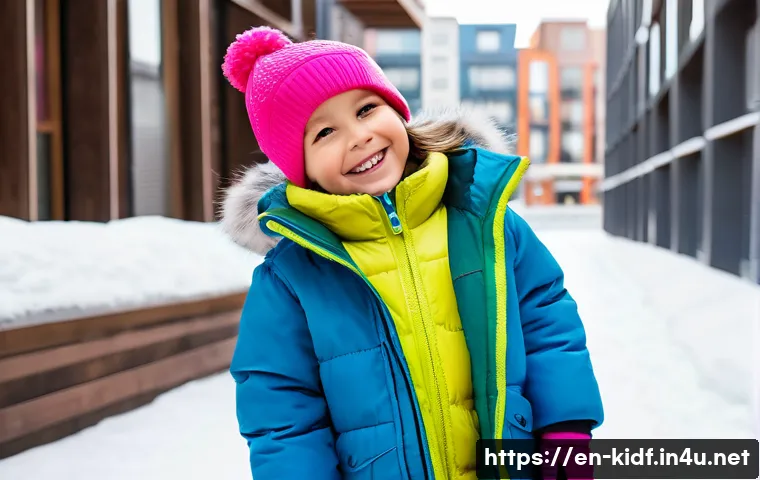
Kids grow fast, and their gear takes a beating! From knee slides down icy hills to muddy puddle stomping, winter clothing endures a lot. So, ensuring its durability and longevity is key to saving money and reducing waste.
I’ve picked up some fantastic tips and tricks over the years for maintaining these specialized garments, making sure they stay in top condition through multiple seasons and multiple adventurers.
It’s truly satisfying to see a well-cared-for jacket passed down from one child to the next, ready for new snow-filled escapades.
Proper Washing and Storage for Longevity
The way we wash and store winter gear has a huge impact on its lifespan. Always, *always* check the care labels! Many waterproof and insulated items require specific washing instructions to maintain their integrity.
For instance, harsh detergents or high heat in the dryer can strip away waterproof coatings or clump insulation. I’ve learned to use technical washes designed for outdoor gear and to air-dry many items or use a low-heat setting.
Before storing gear away for the warmer months, make sure everything is thoroughly cleaned and completely dry to prevent mildew. I store all our winter clothes in breathable garment bags or plastic bins with lids, ensuring they’re in a cool, dry place.
This prevents pests and keeps them fresh and ready for the next cold snap.
Repairing and Reinforcing for Extended Use
Sometimes, despite our best efforts, wear and tear happens. A small tear on a pair of snow pants doesn’t have to mean the end of its life! I’ve become quite adept at basic repairs over the years.
Iron-on patches designed for outdoor gear are fantastic for small rips and tears, reinforcing vulnerable areas like knees and elbows. For more significant damage, a trip to a tailor specializing in outdoor clothing can be a worthwhile investment.
Many brands also offer repair services or guidance. Additionally, consider reinforcing high-wear areas proactively. For instance, some parents add extra layers of durable fabric to the knees of snow pants before they even get worn out.
This proactive approach, coupled with timely repairs, can significantly extend the life of expensive gear, making it truly last for years, rather than just a single season.
Sustainable Choices: Dressing Our Kids for a Greener Winter
As parents, we’re constantly thinking about the future, and that naturally extends to the health of our planet. The choices we make when buying children’s winter wear can have a surprisingly big impact.
In an industry that often grapples with environmental concerns, finding truly sustainable options can feel like navigating a snowstorm without a compass.
However, it’s becoming increasingly easier, and I’ve personally seen a wonderful shift in the market towards more eco-conscious brands and materials for 2025.
It’s not just about what we buy, but also how long we use it and how we dispose of it. Making sustainable choices for our kids’ winter clothing means not only being kind to the Earth but also often investing in higher quality, more durable items that can stand the test of time and multiple children.
It’s a win-win in my book!
Eco-Friendly Materials and Ethical Production
When I’m shopping for winter gear, I’m always on the lookout for brands that prioritize eco-friendly materials and ethical production practices. This often means opting for items made from recycled content, like recycled polyester for outerwear, or natural fibers such as organic cotton or responsibly sourced wool for base layers.
These materials often have a significantly lower environmental footprint compared to conventional alternatives. Beyond the materials themselves, it’s worth researching brands that are transparent about their supply chains and demonstrate a commitment to fair labor practices.
A good rule of thumb I use is to look for certifications from reputable organizations that verify sustainable practices. This gives me confidence that I’m supporting companies that align with my values and are making genuine efforts to minimize their impact on the environment.
Extending the Lifespan: Rent, Reuse, Recycle
One of the most impactful ways to make children’s winter wear more sustainable is to extend its lifespan through renting, reusing, and ultimately recycling.
For rapidly growing infants and toddlers, consider renting high-quality snowsuits and winter jackets from specialized services. This saves money and ensures they always have perfectly fitting gear without excess waste.
For older children, embracing hand-me-downs within families or communities is a fantastic option. I’ve been on both the giving and receiving ends of hand-me-downs, and it’s a wonderful way to keep good quality gear in circulation.
When items genuinely reach the end of their life, explore textile recycling programs in your area rather than simply tossing them in the trash. Many outdoor gear brands also have their own take-back programs for recycling.
By adopting these practices, we can significantly reduce the environmental impact of our kids’ winter wardrobes.
The Latest Trends for 2025: Fun, Fashion, and Function
Okay, let’s talk trends! While practicality and warmth are always my top priorities for kids’ winter wear, who says we can’t have a little fun with fashion too?
The great thing about the 2025 trends is that they perfectly blend style with genuine functionality, meaning our kids can look cool *and* stay cozy. Gone are the days of drab, utilitarian winter clothes.
Now, we’re seeing an exciting explosion of vibrant colors, playful patterns, and innovative designs that truly let kids express their personalities while braving the elements.
As an influencer, I’m constantly scouring the market for what’s new and noteworthy, and I’m really excited about what’s coming out this winter. It’s all about making winter dressing an adventure in itself, getting kids excited about bundling up and heading outdoors.
Vibrant Colors and Playful Patterns Reign Supreme
Forget muted tones and boring solids! This winter, it’s all about embracing a kaleidoscope of colors and patterns. We’re seeing everything from electric blues and bright fuchsias to sunshine yellows and emerald greens dominating snowsuits and jackets.
Beyond solid hues, playful patterns are making a huge comeback. Think bold checkerboards, whimsical animal motifs (my daughter is obsessed with a new line featuring arctic foxes!), abstract geometric designs, and even subtle iridescent finishes.
These trends aren’t just for aesthetics; bright colors also enhance visibility, which is a practical safety bonus when kids are playing outdoors in low light conditions.
My kids love picking out their own brightly patterned hats and mittens, and it definitely makes them more enthusiastic about getting dressed for snowy adventures.
Innovative Designs for Maximum Mobility and Comfort
Beyond colors and patterns, the latest designs for 2025 are focusing heavily on maximizing comfort and mobility. Brands are incorporating ergonomic cuts, articulated knees and elbows in snow pants and jackets, and stretchy, technical fabrics that move with the child.
This means less bulk and more freedom for running, jumping, and tumbling in the snow. I’ve also noticed a rise in “grow-with-me” features, like extendable sleeves and pant legs, which are a brilliant way to get an extra season or two out of an item.
Magnetic closures and easy-to-grab zippers are also becoming more common, making it simpler for little hands (and parents!) to manage layers. It’s all about thoughtful design that supports active play and makes winter dressing less of a chore and more of an exciting part of the day.
| Layer Type | Purpose | Recommended Materials | Key Features |
|---|---|---|---|
| Base Layer | Wicks moisture away from skin, provides initial warmth. | Merino wool, Synthetic (polyester, polypropylene) | Snug fit, breathable, quick-drying, non-chafing seams. |
| Mid-Layer | Insulates, traps body heat. | Fleece (polyester), Lightweight down, Synthetic fill | Warm but breathable, allows for movement, zippered for ventilation. |
| Outer Layer | Protects from wind, rain, and snow. | Waterproof/breathable fabrics (e.g., Gore-Tex, proprietary blends) | Sealed seams, adjustable hood, durable, allows for layering underneath. |
| Accessories | Protects extremities and vulnerable areas. | Wool, Fleece, Waterproof synthetics | Warm hats (cover ears), waterproof mittens (long cuffs), wool socks, neck gaiters. |
Wrapping Things Up
Whew, we’ve covered a lot, haven’t we? It truly warms my heart to share these insights from my own parenting journey, facing countless snow days and figuring out what genuinely works for keeping our little adventurers happy and warm. As an English blog influencer, my goal is always to equip you, my amazing readers, with practical, real-world advice that makes your life easier and your kids’ winters more magical. Remember, mastering winter dressing is a journey, not a sprint. Each season brings new challenges and new triumphs, but with a little preparation and the right gear, those precious moments of joy in the snow are absolutely within reach.
I genuinely believe that a comfortable child is a happy child, and that’s the foundation for making incredible family memories outdoors, no matter how chilly it gets. So, go forth, embrace the layers, check those fabrics, and don’t forget those crucial accessories! Here’s to a winter filled with rosy cheeks, sparkling eyes, and endless fun!
Handy Tips You’ll Want to Bookmark
1. The “Pinch Test” is your car seat safety mantra. Seriously, folks, this is non-negotiable. Always ensure the harness is snug against your child’s collarbone without any bulky coats underneath. My personal hack? Keep a thin fleece layer on, buckle them in securely, then drape their warm winter coat over the straps or use a car seat poncho. It’s a small step that brings immense peace of mind and keeps them safe!
2. Invest in quality base layers and mittens. Trust me on this one – cotton is a cold-weather culprit. Opt for merino wool or synthetic blends for the layer directly against their skin to wick away moisture and regulate temperature. And for hands? Mittens beat gloves for warmth every single time, especially for little fingers that love to make snow angels. Waterproofing is non-negotiable here to keep those tiny hands dry and happy!
3. Embrace the power of neck gaiters over traditional scarves. Forget floppy scarves that come undone or get caught during play. A snug neck gaiter is a game-changer for sealing that crucial gap between a hat and a jacket. It prevents cold air from sneaking in and keeps your little explorer much warmer and comfier, extending their outdoor play considerably. Plus, kids can usually pull them on and off themselves, which is a big win for independence!
4. Prioritize durability and sustainability when purchasing gear. Winter gear for kids can be a significant investment, so make it last! Look for reinforced knees and elbows, always follow care instructions diligently (those waterproof coatings need special attention!), and don’t shy away from hand-me-downs. Consider brands actively using recycled materials or offering repair services – it’s a win for your wallet and the planet, ensuring gear stands up to multiple seasons of active play.
5. Don’t fear vibrant colors and innovative designs for 2025! This season’s trends are all about blending fun style with serious function. Bright hues not only look fantastic in snowy landscapes but also significantly enhance visibility outdoors, which is a practical safety bonus. Plus, smart designs with extendable features and ergonomic cuts mean more freedom for active play, allowing kids to move without feeling restricted by bulky clothing.
Your Winter Checklist: The Essentials
When it comes to outfitting your kids for winter adventures, a few core principles have emerged as my absolute non-negotiables over the years. First and foremost, the magic truly lies in smart layering – think a moisture-wicking base, a cozy insulating mid-layer, and a reliable waterproof outer shell. This system allows for maximum adaptability to changing temperatures and activity levels, ensuring kids stay warm without overheating. Secondly, fabric choice is paramount; ditch the cotton for anything touching the skin, opting instead for merino wool or synthetics that perform under pressure. Understanding the difference between waterproof and water-resistant will save you from soggy afternoons, I promise you.
Beyond the main garments, remember that accessories are the unsung heroes of warmth. A good hat that covers the ears, waterproof mittens with long cuffs, and proper wool or synthetic socks are crucial for protecting vulnerable extremities. I’ve learned the hard way that cold fingers and toes can prematurely end a fantastic snow day! Furthermore, car seat safety should always take precedence; opt for thin layers under the harness and use blankets or ponchos over the straps to maintain warmth without compromising security. Lastly, considering durability, sustainability, and the latest functional trends (like those vibrant colors and mobility-enhancing designs for 2025!) will not only make your life easier but also contribute to a more enjoyable and eco-conscious winter for your entire family. These aren’t just tips; they’re the battle-tested strategies I rely on every single winter, and they never let me down!
Frequently Asked Questions (FAQ) 📖
Q: My kids are always hot one minute and freezing the next! What’s the secret to layering their winter clothes so they’re warm enough but can still move, especially when they’re super active outside?
A: Oh, I totally get this one! It feels like a constant battle, doesn’t it? After years of trial and error (and more than a few meltdowns from both sides!), I’ve found that the real magic is in the “three-layer system.” Think of it like a smart outfit strategy, not just piling on clothes.
First, you need a good base layer. This is key because it wicks away sweat, which is what actually makes them feel cold even if they’re bundled up. I always reach for merino wool or synthetic materials here; cotton is a no-go because once it’s wet, it stays wet and chilly.
For the middle layer, you want something that traps warmth. Fleece is my absolute go-to – it’s soft, warm, and not too bulky, so they can still run and jump without feeling like a stuffed marshmallow.
And finally, the outer layer is their shield against the elements. This needs to be waterproof and windproof, but also breathable. I’ve personally seen the difference a good quality shell makes; it lets their body heat regulate without letting in all the nasty weather.
The trick is to be able to easily add or remove these layers as they go from playing hard to resting, or from outdoors to indoors. It’s all about adaptability!
Trust me, once you nail this, winter outings become so much more enjoyable for everyone.
Q: I’m trying to be more mindful about what I buy, but kids grow so fast! How can I choose winter gear that’s not only durable enough to last but also kinder to the planet, and maybe even get us through more than one season?
A: This is such a brilliant question, and honestly, it’s something I’ve become really passionate about. It feels like we’re constantly buying new things, only for them to fall apart or be outgrown in a flash, right?
When I’m shopping for my own little adventurers, I now look for a few specific things that make a huge difference. First, think “quality over quantity.” It might seem like a bigger upfront investment, but a well-made coat or snow pants from a reputable brand will absolutely stand up to more abuse (and trust me, kids put gear through its paces!) than a cheaper alternative.
I’ve found brands that use recycled polyester or other sustainable materials are fantastic. Look for reinforced knees and seats on snow pants – that’s where they always seem to wear out first!
Adjustable cuffs and hems are also a lifesaver, as they can sometimes give you an extra season of wear by simply extending them. I’ve also had great success with shopping secondhand or looking for gear with high resale value.
Passing down good quality items, whether to a younger sibling or another family, is a wonderful way to reduce waste and get more life out of those pieces.
It’s all about making smart choices that benefit your wallet and the planet!
Q: Okay, this is a big one for me: how do I keep my child safe in their car seat during winter with all the bulky coats? It always makes me nervous that the straps aren’t snug enough.
A: You are absolutely right to be concerned about this, and it’s a question every parent should be asking! It’s one of those things that really keeps me up at night during the colder months.
The truth is, thick winter coats can create a dangerous gap between your child and the car seat harness. In a collision, that puffiness can compress, leaving the harness loose and your child vulnerable.
My personal rule of thumb is this: if a coat is too bulky to comfortably buckle them in with the straps fitting snugly against their body, it’s too thick to wear in the car seat.
Don’t worry, there are easy solutions! What I do is buckle them into their car seat without their bulky coat, making sure the straps are perfectly snug.
Then, for warmth, I’ll either put the coat on them backward over the buckled harness or drape a blanket over them. Another fantastic option, especially for toddlers, is a car seat poncho.
These go over the child and the car seat, keeping them warm without interfering with the harness. Always do the “pinch test” on the harness straps at their collarbone – if you can pinch any slack, it’s too loose.
It’s a small change that makes a huge difference in their safety, and honestly, it gives me so much peace of mind knowing they’re both warm and secure.