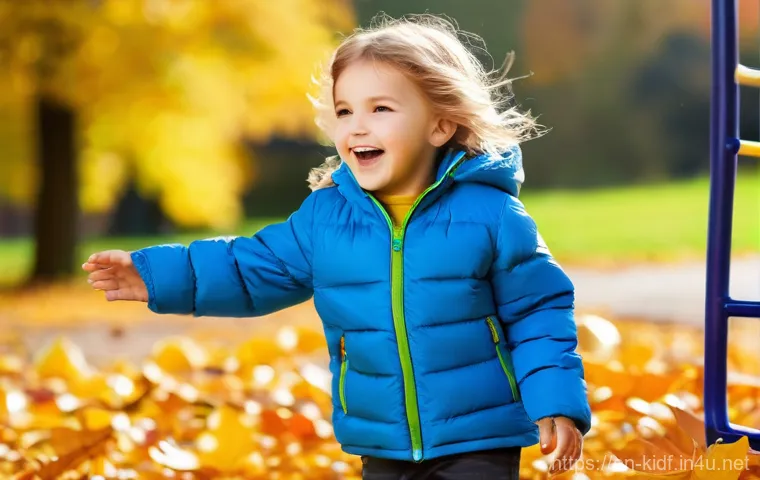
Fall is officially here, and with it comes that exciting (and sometimes challenging!) quest for the perfect kids’ jacket. You know what I mean – that sweet spot between staying warm without overheating, durable enough for playground adventures, and stylish enough to make them actually *want* to wear it!
As a parent who’s navigated countless back-to-school seasons and endless laundry piles, I totally get the struggle. Finding something that holds up to their boundless energy *and* still looks great can feel like a mission impossible.
But don’t worry, my fellow parents, I’ve done the legwork for you, diving deep into this year’s top trends, essential features, and what truly offers the best bang for your buck.
Let’s make this fall fashion-forward, cozy, and completely fuss-free by exploring the absolute best options together!
Decoding the Fabric Factor: What Really Keeps Them Warm and Dry?
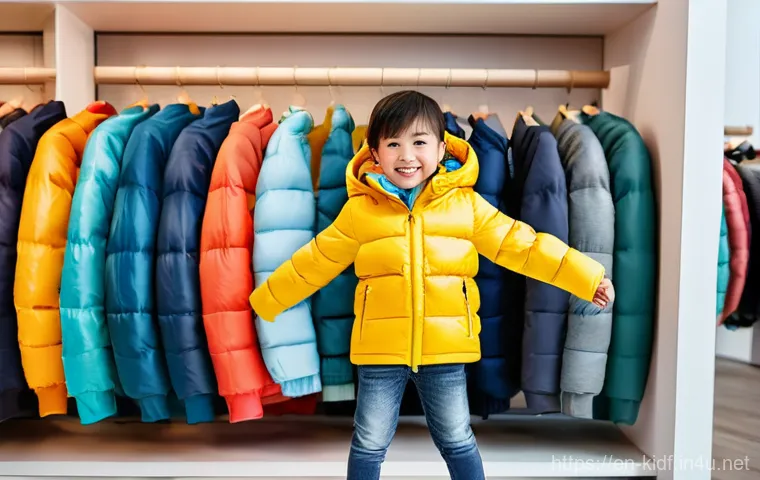
Okay, so let’s get real about fabrics. It’s not just about how fluffy or heavy a jacket feels; what’s *inside* and *outside* makes all the difference when your little one is out conquering puddles or climbing trees. I’ve definitely made the mistake of buying something that looked warm but failed miserably the moment a little drizzle hit, or something that felt waterproof but trapped all the sweat inside, making my kid clammy and uncomfortable. That’s why digging into the material specs is crucial. You’re looking for a delicate balance: breathability to prevent overheating during active play, and solid protection against those unpredictable fall elements. Think about those crisp mornings that turn into mild afternoons – you need a jacket that can handle both without turning your child into a human thermostat.
The Outer Shell: Your First Line of Defense
For the outer layer, you’re often choosing between synthetic wonders like polyester and nylon, sometimes treated with a Durable Water Repellent (DWR) finish, or natural fibers like cotton. While cotton jackets can be super cute and comfy for dry, cool days, they’re not your friend when it comes to rain or snow – they absorb moisture and stay wet forever, which is a big no-no for keeping warm. I’ve found that a good quality polyester or nylon shell, especially one with that DWR coating, is a lifesaver. It beads water right off, keeping the inner layers dry. Always check if it’s truly waterproof or just water-resistant; there’s a huge difference when you’re caught in a downpour!
Insulation Innovation: Warmth Without the Bulk
Then there’s the insulation. This is where modern jacket tech really shines! Gone are the days when a warm jacket had to be a giant, puffy marshmallow suit. Nowadays, you’ve got options like synthetic fill (Primaloft, Thinsulate are common ones) and down. Down is fantastic for warmth-to-weight ratio but can be tricky if it gets wet, losing its insulating properties. Synthetic fills, on the other hand, are often designed to retain warmth even when damp, making them a great choice for kids who love to explore, rain or shine. I personally lean towards synthetic fills for everyday fall jackets because they handle machine washing like a champ and I don’t have to stress as much about them getting soaked on a muddy adventure. It’s all about finding that sweet spot where they’re cozy but can still move freely, without feeling like they’re wearing a sleeping bag.
Beyond the Price Tag: Investing Smart in Kids’ Outerwear
Let’s be honest, kids’ clothes can feel like a money pit, especially jackets. It’s tempting to grab the cheapest option, but I’ve learned the hard way that sometimes, spending a little more upfront saves you a *lot* of headache (and money) down the line. We’re talking about avoiding buying three mediocre jackets in a single season because the first two fell apart or simply weren’t warm enough. This isn’t about luxury; it’s about value. Think about how often they’ll wear it, what activities they’ll be doing, and how long you expect it to last. A jacket that can be handed down to a younger sibling or still looks decent enough for resale is a win in my book!
Weighing Quality Against Cost: The Long-Term View
My philosophy has shifted from “what’s cheapest?” to “what offers the best value per wear?” A well-constructed jacket from a reputable brand, even if it has a higher initial cost, often features better stitching, more durable zippers, and superior materials that stand up to countless washes and playground tumbles. I remember one season when I opted for a super-cute but flimsy jacket, and within a month, the zipper broke, and a seam ripped. Lesson learned! Now, I always consider the cost divided by the anticipated lifespan and utility. It’s like buying a good pair of sneakers versus a cheap pair; one lasts and supports, the other quickly falls apart and offers no real benefit. Investing in quality often means less frustration and fewer unplanned shopping trips for replacements.
When to Splurge, When to Save: Different Jackets for Different Needs
Not every jacket needs to be top-of-the-line. For instance, a light fleece for indoor layering or very mild days might not need the same robust features as a primary school coat. This is where knowing your family’s routine comes in. If your child spends hours outdoors at recess daily, or if you live in a climate with truly harsh winters, then a more significant investment in a high-performance jacket is absolutely justified. If it’s more for car rides and quick dashes into stores, you can probably dial back the budget a bit. For my family, the main fall jacket that gets daily use and abuse is where I put my money, while a lighter rain shell might be a more budget-friendly option since it’s used less frequently. Here’s a quick overview of jacket types and what they generally entail:
| Jacket Type | Best For | Typical Features | Investment Level |
|---|---|---|---|
| Lightweight Puffer | Cool, dry fall days; layering | Synthetic fill, water-resistant shell, packable | Mid-Range |
| 3-in-1 System Jacket | Versatile for varying temps & weather | Waterproof outer shell, removable fleece/puffer liner | Higher |
| Fleece Jacket | Mild, dry days; layering | Soft, breathable fabric, quick-drying | Lower to Mid-Range |
| Rain Shell | Wet weather, warmer temps | Waterproof/breathable membrane, taped seams | Mid-Range |
| Softshell Jacket | Windy, cool, light precipitation | Stretch fabric, wind & water-resistant | Mid-Range |
Understanding these categories really helps narrow down what you actually *need* versus what just looks good on a hanger. It all boils down to matching the jacket’s capabilities with your child’s lifestyle and your local weather patterns. Don’t be afraid to ask yourself tough questions about how much use it will truly get!
The Playground Test: Durability That Stands Up to Anything
Let’s be real, kids aren’t exactly gentle on their clothes, especially when they’re having fun! As a parent, I’ve seen jackets endure everything from epic mudslides to accidental rips on playground equipment, and honestly, some just aren’t built to last. When I’m scouting for a new fall jacket, one of my absolute non-negotiables is durability. It’s not just about looking good for school pictures; it’s about surviving the everyday adventures, the constant movement, and the sheer unpredictability of childhood. If a jacket can’t handle a rigorous day of play, then it’s not the right jacket for us, no matter how cute it looks.
Reinforced Knees and Elbows: Small Details, Big Difference
This might sound obvious, but pay close attention to stress points. Are the elbows reinforced? What about the shoulders, especially if they’ll be carrying a backpack? Kids fall, they slide, they crawl – these areas take a beating. I once bought a jacket that looked great, but after just a few weeks, the elbow fabric started thinning out dramatically. Now, I actively look for jackets that feature extra patches of stronger fabric in those high-wear zones. Sometimes, it’s even worth looking for jackets with ripstop fabric, which has a grid pattern woven in to prevent small tears from becoming big, unfixable holes. Trust me, these seemingly minor details are the unsung heroes of jacket longevity and will save you from having to mend or replace a coat halfway through the season.
Zippers, Snaps, and Cuffs: The Functional Foundation
Beyond the fabric, the hardware of a jacket is equally critical. Zippers are often the first thing to go – a flimsy plastic zipper is just asking for trouble with little hands trying to wrestle it open and closed multiple times a day. I always check for sturdy metal or high-quality plastic zippers that move smoothly without snagging. Snaps should be secure but not so tight that a child can’t manage them themselves. And don’t forget the cuffs! Adjustable cuffs with Velcro or elastic are fantastic for keeping cold air out, but they also need to be tough. I’ve found that cuffs with a little extra reinforcement or a more robust elastic tend to fare much better against constant pulling and tugging, not to mention getting grubby from all sorts of activities. A well-designed cuff isn’t just about warmth; it’s about making the jacket truly playground-proof.
Style Wars: Getting Kids to *Actually* Wear Their Jacket
Okay, let’s talk about the eternal struggle: getting kids to wear what *we* think they should wear, especially when it comes to jackets. You can find the warmest, most durable, best-value jacket on the planet, but if your child absolutely hates how it looks or feels, it’s going to end up crumpled on the floor or mysteriously “forgotten” at school. I’ve been there, battling over a perfectly good coat while my kid insists on wearing a flimsy hoodie in freezing weather. The key, I’ve discovered, is to involve them in the decision-making process. Giving them a sense of ownership, even if you’re guiding the choices, makes a huge difference in compliance (and less morning tantrums, hooray!).
Color and Pattern Power: Let Them Pick (Within Reason!)
While I might gravitate towards practical, neutral colors, my kids often have other ideas! Bright colors, fun patterns, or even jackets featuring their favorite characters can be huge motivators. My eldest was obsessed with space for a while, and finding a jacket with a subtle star pattern meant it became her absolute favorite, worn without a single complaint. Of course, you don’t want them picking something utterly impractical, but offering a curated selection – say, two or three jackets that *you* approve of for quality and warmth – and letting *them* make the final choice, is a game-changer. It builds their confidence and ensures the jacket actually leaves the house on their person. It’s a small compromise for a big win in the “getting ready” department.
Comfort is King: It Has to Feel Good to Wear
Beyond aesthetics, how a jacket *feels* is paramount for kids. Think about sensory issues, or just plain old comfort. Is it too stiff? Does the hood fall over their eyes? Is the lining scratchy? I’ve noticed my younger one absolutely refuses anything that feels restrictive around the neck or arms. When trying on jackets, always have them move around, stretch, and even pretend to play. Can they raise their arms comfortably? Does it bunch up awkwardly? A jacket that allows for full range of motion without irritation is far more likely to be worn willingly. Sometimes, it’s the little details, like a soft chin guard over the zipper, that make all the difference between a beloved coat and one that gathers dust in the closet.
Care and Keeping: Making Their Favorite Jacket Last All Season (and Beyond!)
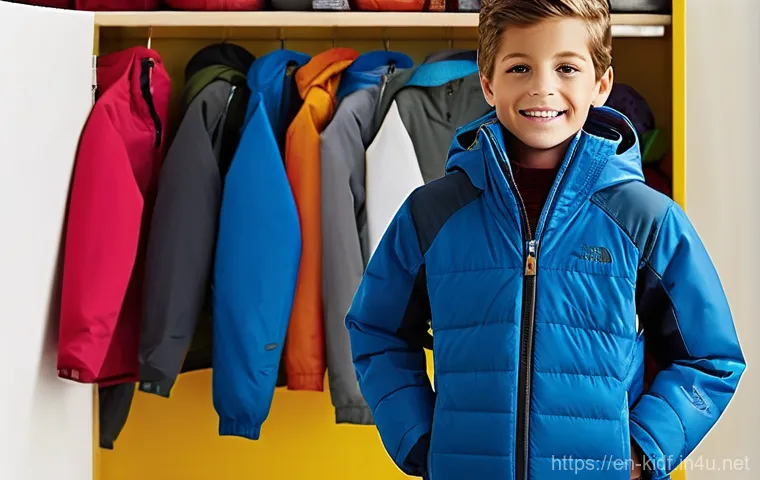
So, you’ve found the perfect jacket – hooray! But the journey doesn’t end there. Kids’ jackets endure so much, and proper care is truly the secret sauce to making them last, not just for one fall, but potentially for younger siblings or even to sell second-hand. I used to just toss everything into the wash on a generic cycle, only to find zippers warped or waterproofing diminished. It’s definitely worth taking a moment to understand the care instructions, because a little attention here can significantly extend the life of that investment and save you from having to buy a new one every single year. Trust me, future you will thank present you for reading that tiny little tag!
Deciphering the Wash Tags: Your Jacket’s Secret Language
Those cryptic symbols on the inside tag? They’re not just for show; they’re vital instructions for maintaining the jacket’s integrity. For example, many waterproof or water-resistant jackets need specific detergents (often non-bio) to protect their DWR finish, and high heat in a dryer can sometimes damage the waterproof membrane. I’ve learned to check if it’s machine washable at all, or if it requires a gentle cycle with cold water. For puffer jackets with synthetic fill, throwing in a few tennis balls during the drying cycle helps to fluff the insulation back up, preventing clumping and maintaining warmth. It sounds like a small thing, but following these guidelines really does make a tangible difference in how well the jacket holds up to repeated washes and continued wear.
Spot Treatments and Strategic Storage: Little Habits, Big Impact
Beyond the full wash, small habits can prolong a jacket’s life. Don’t let mud or food stains sit for too long; a quick spot clean with a damp cloth can prevent them from setting. I always keep a gentle stain remover on hand for those inevitable playground mishaps. When it’s not being worn, hanging the jacket properly, rather than stuffing it into a backpack or leaving it in a crumpled heap, helps maintain its shape and reduces wear on stress points. And when the season is truly over and it’s time to store it away for next year (or for a hand-me-down!), make sure it’s clean and completely dry. Storing a damp jacket is an open invitation for mold and mildew, which can ruin even the best quality outerwear. A little proactive care goes a long way in ensuring that beloved jacket is ready for its next adventure.
Sizing It Up: Nailing the Fit for Growth and Comfort
One of the trickiest parts about buying kids’ jackets is the sizing. They grow so fast, right? You want something that fits well *now* but also ideally has a little room to last through the entire fall season, maybe even into early winter or next year. I’ve definitely bought jackets that were either too snug, limiting movement, or so big they looked like my child was drowning in fabric, making them trip or get tangled. Finding that sweet spot – not too small, not ridiculously oversized – is an art form. It’s about balancing immediate comfort and function with the reality of those growth spurts that seem to happen overnight!
The Goldilocks Fit: Just Right for Movement and Layering
When trying on a jacket, always make sure your child is wearing the type of clothing they’d typically wear underneath – a long-sleeve shirt or a light sweater. This helps you get a realistic sense of the fit. Have them raise their arms, reach forward, and bend down. Are the sleeves still long enough? Does the hem ride up too high? You want enough room for comfortable movement without it being baggy. A good rule of thumb I use is to check if there’s enough space for a light fleece underneath without it feeling tight across the shoulders or chest. This usually gives enough room for growth for a single season without sacrificing warmth or making them look like they’re borrowing their older sibling’s coat.
Adjustable Features: Extending the Life of a Jacket
This is where smart design really comes into play. Look for jackets with adjustable features like Velcro cuffs, elasticized or cinchable hems, and even adjustable hoods. These aren’t just for keeping the elements out; they’re fantastic for accommodating growth. Adjustable cuffs mean you can get a slightly longer sleeve and cinch it tighter, providing a bit of extra length as arms grow. An adjustable hem can keep a jacket from riding up, ensuring warmth coverage even as their torso lengthens. Some brands even offer “grow-with-me” features, like sleeves that can be extended by an inch or two by snipping a hidden stitch. While not every jacket has these, they’re brilliant features that can truly extend the wearability of a jacket across those inevitable growth spurts, making your investment even more worthwhile.
Beyond Just Warmth: Versatility for Changing Fall Days
Fall weather is notoriously fickle, isn’t it? One morning you wake up to a brisk chill, by afternoon the sun is blazing, and then a sudden rain shower pops up out of nowhere. This unpredictable nature means that a single, one-trick-pony jacket often isn’t enough. As parents, we need outerwear that can adapt to these rapid shifts, providing warmth when needed but not becoming a burden when temperatures rise. I’ve learned that truly effective fall jackets offer more than just insulation; they offer versatility. It’s about finding pieces that work together or adapt on their own, giving your child comfortable protection throughout the day without you having to pack an entire wardrobe.
The Magic of Layering: The Smart Parent’s Secret Weapon
This might be the oldest trick in the book, but layering is truly your best friend for fall. Instead of one super-heavy jacket, consider a lighter, water-resistant outer shell paired with a cozy fleece or even a lightweight puffer underneath. This “system” allows your child to shed layers as the day warms up, or add them back on when the chill returns. I personally love the 3-in-1 jackets that come with a zip-out fleece or synthetic inner jacket because they offer so many options: wear the shell alone for rain, the inner jacket alone for cool, dry days, or combine them for maximum warmth and weather protection. It’s like having three jackets in one, making it incredibly adaptable to whatever Mother Nature throws at us, and it definitely streamlines the morning “what to wear” debate.
Packability and Portability: Ready for Anything
Another aspect of versatility I’ve come to appreciate is how packable a jacket is. If your child is going to be taking it off and putting it back on throughout the day, or if they need to stash it in their backpack, it can’t be a bulky, awkward monstrosity. Lightweight puffers that compress into their own pocket or a small stuff sack are brilliant for this. Similarly, unlined rain shells that fold down tiny are perfect for school bags. I’ve found that jackets that are easy to pack mean they’re less likely to be left behind or become a burden, which in turn means your child is more likely to actually have it when they need it. It’s a practical consideration that makes a huge difference in the real world of busy school days and weekend adventures.
Wrapping Things Up
Well, we’ve certainly delved deep into the world of kids’ jackets, haven’t we? It truly is more than just picking something off a rack; it’s about making a thoughtful decision that impacts your child’s comfort, health, and ability to enjoy the great outdoors. My hope is that by sharing my own experiences and what I’ve learned (sometimes the hard way!), you feel a bit more equipped to tackle the jacket-buying quest. Remember, the perfect jacket isn’t just about ticking boxes; it’s about finding that sweet spot where practicality meets personality, ensuring your little adventurer stays warm, dry, and happy, no matter what the weather decides to throw their way. Here’s to many cozy and adventurous days ahead for your kiddos!
Good to Know Info
1. The “Waterproof” Versus “Water-Resistant” Distinction: This is huge! “Water-resistant” jackets can handle a light drizzle or a quick dash through sprinklers, but they’ll eventually soak through in a real downpour. “Waterproof” jackets, often with taped seams and specific membranes like Gore-Tex, are designed to keep your child dry even in torrential rain. Always check the product description carefully; it makes a world of difference when your child is determined to jump in every single puddle. I’ve definitely learned to ask this specific question whenever I’m jacket shopping.
2. Consider “Grow-With-Me” Features: Some innovative brands now include features like extendable cuffs or hems, often achieved by snipping a hidden stitch. This brilliant design allows you to add an inch or two of length to sleeves or the body of the jacket, effectively giving you an extra season or two of wear out of a single purchase. It’s a fantastic way to stretch your budget and get more mileage out of a quality jacket, especially with how fast kids shoot up! Always keep an eye out for these clever additions.
3. The Power of Layering Systems: Don’t underestimate the versatility of a good layering system. Instead of one heavy coat, think about a waterproof/windproof shell paired with a removable fleece or a lightweight puffer. This allows your child to adapt to fluctuating temperatures throughout the day. For example, a crisp morning walk might need all layers, while a sunny afternoon at the park only requires the fleece. It prevents overheating and ensures they’re prepared for anything, making those unpredictable fall days much easier to navigate.
4. Don’t Forget About Reflective Elements: Especially as the days get shorter in fall and winter, visibility becomes super important for safety. Look for jackets that incorporate reflective piping or logos. These seemingly small details can make a significant difference in making your child more visible to drivers, cyclists, and pedestrians, particularly during early morning school commutes or late afternoon play. It’s a safety feature I always prioritize now, having realized how quickly dusk falls.
5. The Dryer Ball Trick for Puffer Jackets: If you’re washing a down or synthetic puffer jacket, tossing a few clean tennis balls or dryer balls into the dryer with it on a low heat setting can work wonders. This helps to break up any clumps of insulation, redistributing it evenly and restoring that lovely puffiness and insulating power. It prevents the jacket from looking flat and sad, ensuring it maintains its warmth and extends its effective life. I was skeptical at first, but this trick truly works!
Key Takeaways
Choosing the right kids’ jacket really boils down to balancing practical needs with a bit of savvy shopping and understanding what truly matters. From my own adventures in parenting and jacket-hunting, I’ve found that focusing on a few core areas makes all the difference. First off, the fabric factor is non-negotiable; you need that perfect blend of breathability and robust weather protection to keep them comfortable, whether they’re dashing through light rain or just enjoying a cool breeze. Secondly, durability isn’t a luxury; it’s a necessity. Those reinforced elbows, strong zippers, and resilient cuffs are the unsung heroes that ensure a jacket survives more than a few playground escapades, saving you from constant replacements.
Beyond the nuts and bolts, nailing the fit is crucial – enough room for layers and growth, but not so baggy it hinders movement. And let’s not forget the power of involving your child in the decision-making; a jacket they like the look and feel of is a jacket they’ll actually wear! Lastly, proper care and understanding those wash tags can dramatically extend the life of your investment. Think of it less as a seasonal expense and more as a smart investment in their comfort and your peace of mind. By keeping these points in mind, you’re not just buying a jacket; you’re equipping your little explorer for countless memorable adventures, whatever the weather may bring. It’s about being prepared, being smart, and making those precious moments outdoors as enjoyable as possible for everyone.
Frequently Asked Questions (FAQ) 📖
Q: “Okay, so the fall weather can be all over the place – chilly mornings, warm afternoons! How on earth do I pick a jacket that actually keeps my little one warm enough without them turning into a sweaty mess by lunchtime?”
A: Oh, the struggle is real, my friend! I’ve been there, sending my kiddo off bundled up only for them to come home looking like they ran a marathon in a sauna.
From my own experience, the absolute game-changer is thinking in layers, even when it comes to the jacket itself. Look for jackets that are water-resistant on the outside – think a good shell – but have a removable fleece or a lighter insulation layer inside.
This way, on those crisp mornings, they get that cozy warmth. But when the sun peeks out and the temperature climbs, they can shed the inner layer and still have protection from the wind or a light drizzle.
I’ve found that fleece is fantastic for warmth without bulk, and it’s surprisingly breathable, preventing that dreaded overheating. Also, a big tip from my playbook: check for adjustable cuffs and hoods!
These little details make a massive difference in adapting to the changing weather throughout the day. Trust me, it’s all about flexibility with fall jackets!
Q: “My kids are basically professional explorers; climbing trees, sliding down hills – their jackets take a beating! What features should I absolutely prioritize to make sure a fall jacket actually lasts them through all their wild adventures?”
A: You are singing my song! My little adventurer once ripped a brand new jacket within a week, and I nearly cried. So, durability?
That’s at the top of my list, right next to warmth. First things first: materials. Look for ripstop nylon or a sturdy polyester blend.
These fabrics are surprisingly tough against snags and tears. I always give the zippers a good tug test in the store – plastic zippers just don’t cut it for active kids; you want strong, smooth-gliding metal or heavy-duty plastic ones that can withstand constant zipping and unzipping.
Next up, reinforced areas! Check the elbows and shoulders for extra padding or stronger fabric – these are usually the first spots to show wear and tear.
And here’s a pro parent tip: make sure it’s machine washable! If you can’t easily toss it in the laundry after a muddy playground session, it’s not truly durable in my book, because let’s be real, you’ll be washing it a lot.
Investing a little more in quality here truly saves you headaches (and money) in the long run.
Q: “I want my child to look cute and trendy, but let’s be honest, practicality comes first! How do I find a fall jacket that’s both stylish and truly functional for everyday school and play?”
A: This is the eternal parent dilemma, isn’t it? We want them to look adorable, but they also need to be able to actually move and play without feeling restricted or having a jacket that falls apart!
What I’ve learned is that the sweet spot often lies in classic, versatile designs that still have a modern twist. Think about timeless puffer jackets or practical utility styles that are always in vogue.
Instead of chasing fleeting trends, I focus on colors that are both fun and forgiving – rich jewel tones or earthier shades tend to hide dirt better than pastels, but still offer a pop of personality.
Another thing I’ve personally found invaluable is involving my child in the choice. If they feel like they had a say, even if it’s just picking between two parent-approved options, they’re much more likely to want to wear it!
A jacket that makes them feel good about themselves is a functional jacket because it actually gets worn. And when they love it, it’s one less battle in the morning, which, let’s be honest, is the ultimate win for us parents!