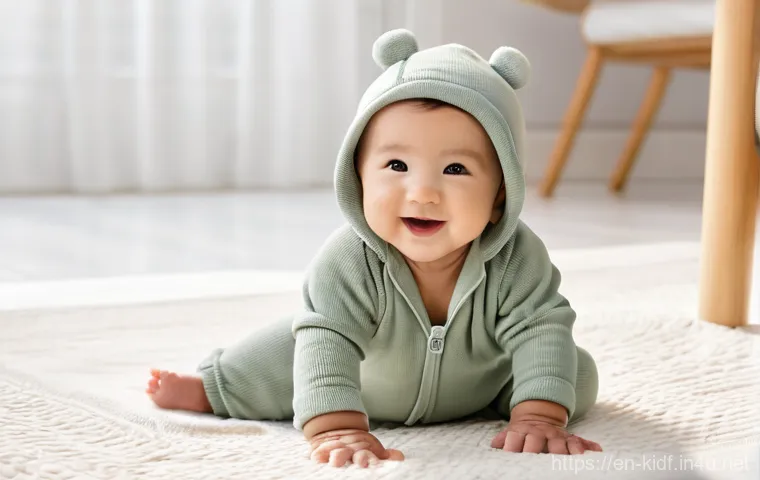
Hey there, fellow parents and caregivers! Can we all agree that dressing our little ones can sometimes feel like a mini-mission, especially when it comes to choosing the right outerwear?
I’ve been there, staring at a closet full of adorable tiny jackets, wondering which one will actually keep my baby snug, safe, and happy, no matter what the unpredictable weather throws at us.
It’s a challenge we all face, wanting the best for our precious bundles without breaking the bank or sacrificing style. The good news is, the world of infant outerwear is buzzing with some amazing innovations and trends right now.
Forget those bulky, restrictive coats of yesteryear! We’re seeing a beautiful shift towards sustainable, organic fabrics like super-soft bamboo and breathable organic cotton, which I personally adore for my little explorer’s sensitive skin.
Plus, gender-neutral designs and earthy tones are everywhere, making it easier to invest in quality pieces that can last through multiple siblings – a total win for both your wallet and the planet, if you ask me.
But it’s not just about looking cute; it’s about smart functionality and peace of mind. From jackets designed to be car-seat safe to those with fantastic windproof and water-resistant features, ensuring our babies are truly protected is always the top priority.
Trust me, after countless outings in everything from crisp fall air to surprise spring showers, I’ve learned a thing or two about what truly works. So, if you’re ready to navigate the latest trends, discover clever features, and find those perfect pieces that blend comfort, safety, and undeniable charm, you’re in the right place!
We’re going to dive deep and uncover all the secrets to choosing the ultimate outerwear for your little one. Let’s get into the nitty-gritty and make sure your baby is ready for every adventure, big or small!
Choosing the Perfect Fabrics: A Hug for Your Baby’s Sensitive Skin
Alright, let’s get real about fabrics! When it comes to our little ones, their skin is incredibly delicate, and honestly, sometimes it feels like everything can cause an irritation. I’ve been through my fair share of trial and error, and let me tell you, the material of their outerwear makes a monumental difference. We’re not just looking for something that looks cute; we’re searching for a gentle hug that protects their precious skin from the elements and potential irritants. This is where understanding fabric choices truly shines, merging comfort, safety, and a touch of eco-consciousness that I personally find so important.
In my experience, natural fibers are almost always the way to go. Think organic cotton, bamboo, and even some types of wool. Organic cotton is like the unsung hero of baby clothing – it’s soft, breathable, and best of all, grown without all those harsh pesticides and synthetic chemicals that can upset sensitive skin. I’ve noticed a huge difference in my own baby’s comfort when we stick to organic cotton for everyday wear and especially for anything directly touching their skin. Bamboo is another fantastic option; it feels silky smooth, is naturally hypoallergenic, and incredibly moisture-wicking, which is a lifesaver for preventing rashes and keeping them dry. It even boasts some antibacterial properties, which is a neat bonus for active little ones. And don’t shy away from Merino wool! While some wool can be itchy, superfine Merino wool is surprisingly soft, excellent at regulating temperature, and wicks away moisture like a dream, making it perfect for layering without the bulk. I’ve found it invaluable for those tricky in-between weather days when the temperature can’t quite make up its mind.
Embracing Sustainable and Hypoallergenic Options
Beyond just comfort, many of us are increasingly looking for sustainable options, and happily, the baby outerwear market is really stepping up! Brands are focusing on organic cotton, bamboo, and even recycled materials and plant-based dyes, which I totally applaud. It’s not just good for the planet; it means fewer harsh chemicals close to your baby. When you see certifications like GOTS (Global Organic Textile Standard), you know you’re getting something truly special that meets strict environmental and social criteria. I personally gravitate towards brands that are transparent about their sourcing because it gives me peace of mind that I’m making a good choice for my baby and for future generations. Avoiding synthetic fabrics like polyester and nylon for inner layers, especially those not designed for breathability, can help prevent overheating and irritation, which I’ve learned the hard way can lead to uncomfortable heat rashes.
Navigating the World of Synthetic Blends and Their Purpose
Now, don’t get me wrong, synthetics do have their place, especially in outerwear designed for specific weather conditions like rain or heavy snow. For instance, water-resistant or waterproof outer layers often rely on materials like nylon or treated polyester to keep your little one dry. The key here is to ensure that these layers are truly outer layers and that the internal lining is still made from something soft and breathable, like fleece or cotton, to minimize direct contact with sensitive skin. When I’m looking at these types of jackets, I always check for features like breathable membranes or mesh panels, which help prevent that clammy feeling and allow for better airflow. I’ve found that some fleece can be wonderful for lightweight warmth but can also hold heat a little too well for sensitive skin if it’s too thick or used as an innermost layer, so it’s all about strategic layering. It’s a delicate balance, but knowing when and where to use these materials can make all the difference in keeping your baby comfortable and protected in various weather scenarios.
Car Seat Safety First: Outfitting for the Ride
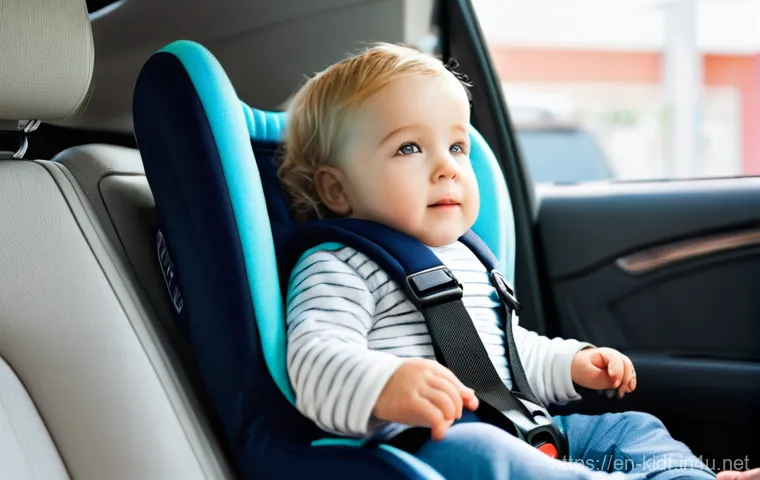
This is one area where I cannot stress enough how important safety is. As parents, we want our babies to be warm, but a bulky coat in a car seat can actually be incredibly dangerous. It’s a terrifying thought, but those puffy layers can compress during a crash, creating slack in the harness and putting our little ones at serious risk. I remember the first time I learned about this; it completely changed how I thought about dressing my baby for car rides. Instead of bundling them up in a thick snowsuit before buckling them in, we need to think about alternatives that prioritize a snug and secure harness fit.
The golden rule here is that the car seat harness needs to be snug against your child’s body without any bulky fabric in between. This means removing thick coats or snowsuits *before* buckling them in. My go-to strategy, especially during colder months, is to dress my baby in thinner, warm layers. Think a long-sleeved onesie, a fleece footie pajama, or a thin fleece bunting. Once they’re securely buckled, then you can add warmth on top. A light blanket tucked over the straps (making sure it doesn’t cover their face!) or a car seat cover that goes over the entire seat (like a shower cap style, *not* one that goes behind the baby or interferes with the straps) are fantastic options. I’ve personally used car seat blankets with sleeves that slip over their arms, allowing the harness to fit perfectly underneath, and they’ve been a total game-changer for quick errands in chilly weather.
Innovative Car Seat Safe Outerwear Solutions
The good news is that manufacturers are really listening to parents and creating some brilliant car seat-safe outerwear. Brands like Buckle Me Baby have designed coats with thin back panels and insulated front panels, or with “fold-away” or “split-front” designs that allow you to secure the harness directly against your child’s body before the coat wraps around them. These options are often crash-tested, giving an extra layer of reassurance. I’ve seen some incredible testimonials from parents who were in accidents, and their kids were safe and warm thanks to these innovative coats. It’s truly comforting to know that we don’t have to choose between warmth and safety anymore. Ponchos are another clever idea, as long as the back part flips over the car seat and no part of the poncho goes *under* the harness straps. This ensures the harness remains properly fitted while still providing ample warmth. Always, always check that the harness is snug by performing the “pinch test” at the shoulder. If you can pinch any slack in the strap, it’s too loose.
Layering Smart for Car Trips
My strategy for car trips, especially when it’s freezing outside, is to layer smartly. I put a long-sleeve bodysuit or thin thermal layer as the base, followed by a cozy but not bulky fleece onesie or a set of warm leggings and a sweater. Then, in the car seat, I use a car seat-safe blanket or one of those specially designed car seat coats. As soon as the car warms up, I can easily open or remove the blanket or coat to prevent overheating, which is also a serious concern. Remember, babies can’t regulate their temperature as well as adults, so keeping an eye on them for signs of sweating or being too warm is crucial. A good rule of thumb I’ve heard and adopted is to dress your baby in one more layer than you would comfortably wear indoors. For car travel, prioritize those thin, warm layers that can be supplemented with external blankets or car seat covers once they’re safely buckled.
Weathering the Elements: Beyond Basic Protection
Let’s face it, Mother Nature can be pretty unpredictable, and our little ones deserve outerwear that can stand up to whatever she throws our way. It’s not just about keeping them warm; it’s about keeping them dry, protected from wind, and comfortable enough to enjoy every outdoor adventure, big or small. From crisp autumn breezes to unexpected spring showers and even those serious winter chills, their outerwear needs to be a fortress of comfort. I’ve learned that investing in pieces with genuine weather-resistant features isn’t just a luxury; it’s a necessity for peace of mind.
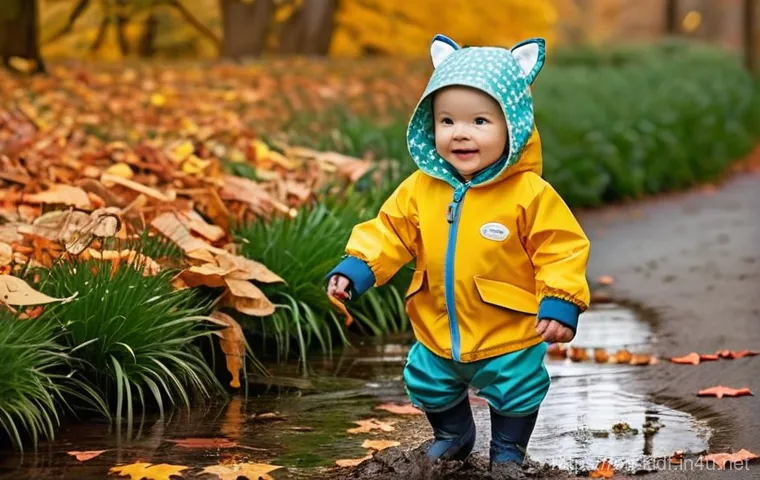
When I’m hunting for outerwear, I always prioritize features that genuinely block out the elements. Look for jackets and snowsuits with a water-resistant or waterproof outer layer. Brands are doing amazing things with non-toxic, water-resistant treatments now, which is a huge win for both effectiveness and baby safety. Windproof features are also a game-changer; there’s nothing worse than seeing your little one shivering because the wind is cutting right through their coat. I also pay close attention to details like elastic cuffs on the sleeves, which help seal out the cold, and well-fitting hoods that stay put to protect those tiny ears and heads. Some of the best pieces I’ve found even have storm cuffs or ribbed cuffs at the sleeve and leg hems that really lock in the warmth and keep the cold air out.
Layering for Optimal Comfort and Protection
Mastering the art of layering is honestly one of the best tips I can give you for keeping your baby comfortable in fluctuating temperatures. It’s like building a customizable comfort system for your little one! We often hear about the three-layer principle, and it really works: a base layer that’s breathable and moisture-wicking (like organic cotton or wool), a mid-layer for warmth (think fleece or a cozy knit), and then that all-important outer layer for protection against wind, rain, or snow. This strategy allows you to easily add or remove layers as the weather shifts or as your baby’s activity level changes, preventing overheating or getting too chilly. I remember one particularly blustery day when we were out for a walk, and I was so glad I had layered my little one; as the sun peeked out, I could easily remove a layer, and he stayed perfectly content. For newborns, since they can lose heat faster, I always add one more layer than I’m wearing.
Essential Features for Every Climate
Beyond the basic layers, certain features elevate outerwear from good to great. For winter, insulation is key. Look for insulated jackets with fleece or down alternatives; they provide excellent warmth without excessive bulk. For rainy seasons, water-resistant materials like nylon or polyester are your friends, especially if they’re breathable. And for those sunny but still cool days, jackets with UPF (Ultraviolet Protection Factor) ratings are fantastic for added sun protection. I also love a jacket with a good, functional hood – one that actually stays on their head and provides real coverage. Reflective details are another safety feature I always look for, especially during darker winter days or evening strolls; visibility is so important! These thoughtful details not only enhance protection but also make our lives as parents so much easier, allowing us to focus on the joy of discovery with our babies, rather than worrying about their comfort.
Styling Your Tiny Trendsetter: Where Fashion Meets Function
Who says practical outerwear can’t be absolutely adorable? In my opinion, dressing our babies is one of the most fun parts of parenthood, and thankfully, the current trends make it easier than ever to merge fashion with incredible functionality. Gone are the days of drab, shapeless baby coats. Now, we’re seeing vibrant colors, playful patterns, and genuinely stylish designs that let our little ones express their tiny personalities while staying perfectly protected. I personally love finding pieces that make my baby look like a little fashion icon, without sacrificing an ounce of comfort or safety.
Right now, the fashion world for babies is embracing a beautiful blend of aesthetics and practicality. We’re seeing a big push towards gender-neutral designs, which I absolutely adore! Think muted browns, soft tans, sage greens, and dusty rose – these earthy tones are not only incredibly chic but also super versatile, meaning you can invest in quality pieces that can be passed down regardless of future siblings’ genders. Simple, uncluttered designs are also trending, providing a timeless appeal and a perfect canvas for layering. And don’t worry, if you love a pop of color, vibrant hues like mustard yellow and emerald green are also making a splash, often paired with whimsical patterns like polka dots or adorable animal prints. It’s all about finding that balance between what looks good and what truly serves its purpose in keeping your baby happy and healthy.
The Rise of Gender-Neutral Chic
The movement towards gender-neutral baby clothing is more than just a trend; it’s a wonderfully practical and inclusive approach. I’ve found it so freeing to shop for pieces that aren’t pigeonholed into “boy” or “girl” sections, allowing me to focus purely on quality, comfort, and style. Brands are really embracing this, offering a wide array of unisex styles, from cozy knit sweaters and jumpsuits to reversible hooded cardigans with fun prints. It’s fantastic for families planning to grow, as these items have a longer life and can easily transition from one child to the next, which is a huge win for both your budget and the environment. I love how these pieces often feature subtle details like wooden buttons or delicate embroidery, elevating the look without being overly fussy. It feels fresh, modern, and honestly, just makes life a little simpler when you’re not constantly navigating a sea of pinks and blues.
Accessorizing for Charm and Extra Warmth
Don’t underestimate the power of accessories to complete an outfit and add an extra layer of warmth! Beanies, mittens, and booties are not just practical; they can be the cherry on top of an already adorable ensemble. I often choose beanies in soft wool or fleece, especially helmet hats that go down over the ears, as they provide excellent heat retention. Mittens and booties are essential for those little extremities that can get cold so easily, as babies don’t have fully developed blood circulation. I love finding sets that match or complement their outerwear, adding a cohesive and charming touch. Some jackets even come with detachable faux fur collars or cute pom-pom details, which are fantastic for adding charm while offering that extra bit of coziness. These small additions truly make a big difference in both style and keeping your little one snug during their outdoor explorations, turning a simple outing into a memorable fashion moment.
Smart Shopping Strategies for Lasting Comfort and Value
Let’s be honest, baby clothes, especially outerwear, can be an investment. And with how quickly these little munchkins grow, it can sometimes feel like you’re constantly buying new pieces! That’s why I’ve developed a few smart shopping strategies over time that help me get the best value for my money without ever compromising on quality or comfort. It’s all about being a savvy parent, looking beyond the immediate needs, and thinking about longevity and adaptability. Trust me, a little planning goes a long way in building a functional and fabulous baby wardrobe.
My number one tip? Always, always consider the fit with layering in mind. While it might be tempting to buy a jacket that’s a size bigger for “room to grow,” an overly large coat can actually be less insulating and hinder your baby’s movement. Instead, look for outerwear that allows enough room for a sweater or a thicker layer underneath without being too bulky or restrictive. I usually aim for a fit that’s slightly roomy but still well-fitting around the cuffs and torso, ensuring warmth is trapped effectively. I also make it a point to check for adjustable features like cuffs or waistbands, which can really extend the life of a garment as your baby grows. And if you can, always try the jacket on your baby before purchasing to ensure ease of movement and proper sleeve length. It’s truly the best way to avoid buyer’s remorse later on.
Investing in Quality: The Long-Term Savings
It might sound counterintuitive to spend more on something your baby will quickly outgrow, but hear me out: investing in higher-quality outerwear often pays off in the long run. Durable materials and sturdy stitching mean these pieces can withstand the rigors of endless outdoor play, frequent washes, and still look great enough to be passed down to siblings or even friends. I’ve had some fantastic experiences with brands known for their quality, like Patagonia or some of the organic brands, where their outerwear lasts beautifully. These pieces often maintain their insulating properties and weather resistance much better than cheaper alternatives. Think about it: a well-made, versatile jacket that lasts through two or three children is far more economical and sustainable than buying a new, flimsy one every season. It’s a bit like buying a good stroller – a higher upfront cost, but undeniable value over time.
The Versatility Factor: Maximizing Your Wardrobe
When I’m shopping, I actively look for pieces that offer versatility. Jackets with removable linings or hoods are brilliant because they allow you to adapt the warmth level to varying temperatures, effectively giving you multiple coats in one. A water-resistant shell with a removable fleece liner, for example, can be used as a light rain jacket in spring, a cozy fleece on its own in fall, or combined for a warm winter coat. I also tend to gravitate towards gender-neutral colors and designs, not just for aesthetic reasons, but because it really increases the hand-me-down potential. This approach not only stretches your dollar further but also reduces textile waste, which is something I’m passionate about. By choosing adaptable, high-quality items, you ensure your little one is always appropriately dressed and you’re making smarter choices for your family’s budget and the planet.
Keeping Outerwear Pristine: Care Tips for Longevity
Let’s be honest, baby outerwear faces some serious challenges: spit-up, mud, mysterious food stains, and the general wear and tear of adventurous little ones. Keeping these pieces looking good and performing their best requires a bit of know-how, but it’s totally achievable! Proper care not only extends the life of their adorable jackets and snowsuits but also ensures they continue to offer optimal protection and comfort. I’ve learned a few tricks over the years that have saved many a favorite outfit from an early retirement.
First things first, always, always check the care label! This might seem obvious, but different materials and constructions have specific needs. For most baby clothes, especially those made from organic cotton or bamboo, a gentle cycle with cold or cool water is usually best. I always recommend using a gentle, fragrance-free, and dye-free detergent, particularly for anything that comes into direct contact with your baby’s skin. Babies can be incredibly sensitive to harsh chemicals and fragrances, and an irritated rash is the last thing any parent wants. For those inevitable stains, pretreating is your best friend. I usually tackle them as soon as possible with a small amount of sensitive detergent rubbed directly into the spot, or even a paste of baking soda and vinegar for tougher culprits like formula or breast milk stains. Rinsing thoroughly is also crucial to ensure no detergent residue is left behind, which could irritate delicate skin.
Tackling Stains and Maintaining Fabric Integrity
Stains are a rite of passage with babies, right? From pureed carrots to muddy puddles, their outerwear is often on the front lines. For protein-based stains like spit-up or milk, cold water is your ally – hot water can actually set these stains, making them harder to remove. I usually rinse the soiled area under cold running water immediately, then apply a tiny dab of gentle detergent and let it sit for about 15-30 minutes before washing. For more stubborn stains, a good overnight soak in cold water with a bit of detergent can work wonders. When it comes to maintaining the integrity of waterproof or water-resistant finishes, avoid harsh bleaches or fabric softeners, as these can break down the protective coatings and make the fabric less effective. Air drying is often best for these specialized items, or tumbling on a very low heat setting if the label permits. This helps preserve the fabric’s properties and prevents shrinking or damage.
Understanding Different Fabric Care Needs
Different fabrics, as you might expect, require different approaches. For organic cotton and bamboo, which are often the go-to for softness and breathability, gentle machine washing and low heat drying (or air drying) will help them last. Wool items, especially delicate Merino wool, usually benefit from hand washing in cool water with a mild wool-specific detergent, or a very gentle machine cycle if the label explicitly allows it. Always lay wool flat to dry to prevent stretching. For outerwear with synthetic insulation or waterproof membranes, follow the manufacturer’s instructions carefully. These often suggest washing with specific technical washes designed to preserve their performance. I’ve found it helpful to wash items with zippers or snaps closed to prevent snagging. Avoiding overloading the washing machine and skipping fabric softeners and dryer sheets is another general rule of thumb I follow, as they can sometimes reduce the breathability and wicking properties of fabrics, and can also leave residues that irritate sensitive skin. A little attention to these details can ensure your baby’s outerwear stays cozy, functional, and adorable for many adventures to come!
The Latest Trends in Eco-Conscious Outerwear for Little Ones
It’s truly inspiring to see how much the world of baby fashion is evolving, with a growing emphasis on sustainability and eco-consciousness. As a parent, I’m constantly looking for ways to make more mindful choices, and this shift in outerwear trends is something I wholeheartedly embrace. It’s not just about looking good; it’s about feeling good about the choices we make for our children and the planet they’ll inherit. The innovations happening right now are truly exciting, blending environmental responsibility with top-notch comfort and style.
One of the most significant movements I’ve observed is the widespread adoption of organic and sustainable materials. Brands are really leaning into fabrics like organic cotton, bamboo, and even recycled fibers for their outerwear collections. Organic cotton, as you know, is a staple for its softness and breathability, and using it in outerwear means fewer pesticides and chemicals in contact with our babies’ delicate skin. Bamboo, with its naturally antibacterial and moisture-wicking properties, is another superstar, offering both comfort and a gentle touch. I’ve also been thrilled to see the emergence of recycled nylon and polyester, often crafted into durable and weather-resistant outer shells. Companies like Patagonia are leading the charge, using recycled materials and even down insulation responsibly sourced or replaced with synthetic alternatives. It’s incredible to think that a cozy jacket keeping your baby warm might have once been a plastic bottle! This commitment to eco-design, from plant-based dyes to closed-loop manufacturing systems, is making a real difference.
Innovations in Sustainable Materials and Production
The innovation doesn’t stop at just using organic fibers; it’s extending into the very processes of how these garments are made. We’re seeing more non-toxic, water-resistant treatments that keep babies dry without relying on harmful chemicals. Brands are actively showcasing advancements in plant-based dyes, which provide beautiful, rich colors while being much gentler on the environment and on sensitive skin. I’m also fascinated by the idea of ‘circular fashion’ where brands are creating clothing designed to be fully recycled or composted at the end of its life. Some companies are even offering take-back programs for used clothing, giving them a second life or recycling them properly. This focus on responsible design helps reduce waste and minimize the environmental footprint of baby clothing, which, given how quickly little ones grow, is a huge benefit. As a parent, knowing that I’m buying a product that considers its entire lifecycle, from raw material to eventual disposal, truly adds to the value and my confidence in the purchase.
The Allure of Natural Hues and Timeless Designs
Beyond the materials themselves, the aesthetic of eco-conscious outerwear often leans towards classic, timeless designs and a palette of natural hues. Think soft neutrals and earthy tones like muted browns, sage greens, and dusty rose. These colors aren’t just trendy; they’re versatile and enduring, making it easier to mix and match pieces and to pass them down through multiple children, regardless of gender. Simple, uncluttered styles are favored, providing a foundation for layering and allowing the quality of the fabric and the thoughtful construction to shine through. This focus on durability and classic appeal means fewer disposable items and more cherished pieces that stand the test of time. I’ve found that investing in these kinds of pieces not only makes my baby look effortlessly stylish but also aligns perfectly with my desire to consume more consciously. It’s about building a sustainable wardrobe that’s both beautiful and kind to the planet.
Seasonal Specifics: Dressing Your Baby for Every Forecast
As parents, we’re constantly checking the weather forecast, aren’t we? It feels like a daily ritual to figure out how to best dress our little ones, and frankly, each season brings its own unique set of challenges and outerwear demands. From the balmy days of summer to the biting cold of winter, and everything in between, understanding how to adapt their wardrobe for optimal comfort and safety is key. I’ve learned through experience that having the right type of outerwear for each season makes a huge difference in both our outings and my peace of mind.
Let’s start with the warmer months. When spring showers appear or summer brings scorching sun, lightweight and breathable jackets are essential. For spring, I always reach for lightweight, water-resistant options made from materials like nylon or polyester, especially those with breathable fabrics to prevent overheating. You know, those days where it can be sunny one minute and drizzling the next? Versatility is key here! For summer, it’s all about shielding them from the sun without causing them to get too hot. Cotton or linen jackets are fantastic for this, and I specifically look for those with a UPF (Ultraviolet Protection Factor) rating for added sun protection during our outdoor adventures. Mesh panels or zippered vents are also a big plus for promoting airflow and preventing sweat build-up. I remember one sunny beach day where a light UPF jacket was a total lifesaver, keeping my baby protected while still allowing him to enjoy the fresh air.
Fall and Winter Warmth: Layering for the Chill
As the leaves begin to turn and the temperatures drop, fall outerwear needs to offer both warmth and breathability to handle those fluctuating temperatures. This is where layering truly becomes an art form! I typically opt for jackets that can easily be paired with sweaters or vests for added insulation. Water-resistant options are still important to guard against those crisp, damp fall days. When winter truly sets in, it’s all about serious insulation. Insulated jackets made from fleece or down (or synthetic alternatives) become indispensable. Look for soft, cozy linings, and don’t forget those crucial accessories: hats, mittens, and booties are non-negotiable for keeping little heads, hands, and feet toasty. I usually ensure hats cover the ears, and mittens or gloves are snug to prevent any cold air from sneaking in. I also love the flexibility of jackets with removable linings, allowing me to adjust the warmth level throughout the season.
The Importance of Fit and Features for Seasonal Wear
Regardless of the season, the fit of the outerwear is paramount. It should allow for comfortable movement – no stiff, restrictive coats that turn playtime into a struggle! I always ensure the sleeves fully cover their wrists, as exposed skin can get chilly quickly. Adjustable cuffs are a great feature here. For hoods, I look for ones that fit well and stay on without obstructing their vision. Think about the closure too: easy-to-use zippers or snaps make dressing and undressing less of a battle, especially when you’re dealing with a squirming baby. For younger infants, all-in-one snowsuits or pramsuits are fantastic for cold weather, offering full coverage and often coming with integral feet and fold-back mittens. These are perfect for keeping tiny bodies cocooned in warmth during stroller rides. Ultimately, selecting the right seasonal outerwear is a thoughtful process, blending protection, comfort, and a touch of practicality to ensure your baby is ready for whatever the forecast holds.
Decoding the Labels: Essential Features and What They Mean
Walking into a baby clothing store or browsing online can sometimes feel like stepping into a foreign country, especially with all the jargon and specialized features listed on outerwear. But trust me, once you understand what these labels mean, you’ll feel like a superhero parent making informed decisions that truly benefit your little one. It’s not just about the cute designs; it’s about the science and thoughtfulness behind keeping our babies safe, warm, and comfortable. I’ve spent countless hours poring over tags and reviews, and I’m here to share what I’ve learned about deciphering those crucial details.
Let’s talk about some of the most important terms you’ll encounter. First up, “water-resistant” versus “waterproof.” While often used interchangeably, there’s a difference. Water-resistant means the fabric can repel light rain and moisture for a period, which is great for drizzles or quick dashes. “Waterproof,” however, indicates a much higher level of protection, designed to keep your baby dry even in heavy rain or snow, often achieved with special membranes or coatings. I usually opt for waterproof for serious winter gear or prolonged wet conditions. Then there’s “windproof,” a feature I absolutely swear by. Cold wind can cut right through layers and make your baby feel much colder than the actual temperature, so a windproof outer layer is a non-negotiable for chilly days. Also, keep an eye out for “breathable” fabrics. This is crucial because it allows moisture (sweat!) to escape, preventing your baby from getting clammy and then cold, or overheating. It’s a delicate balance to find items that are both protective and breathable, but many modern technical fabrics do this beautifully.
Understanding TOG Ratings and Insulation
One term you might encounter, especially with sleepwear and sometimes outerwear, is “TOG” – Thermal Overall Grade. This is a measurement of a fabric’s thermal insulation, or how warm it keeps your baby. A lower TOG means lighter clothing, while a higher TOG indicates warmer clothing. While it’s more commonly cited for sleep sacks, understanding the principle helps when choosing outerwear layers. For outerwear, the type of insulation is key. You’ll often see “down” or “synthetic fill.” Down insulation (typically from ducks or geese) offers excellent warmth-to-weight ratio but can be problematic for allergies or if it gets wet. Synthetic fills, on the other hand, are often hypoallergenic and maintain their insulating properties even when damp, making them a fantastic choice for wet or humid climates. I always consider the expected temperatures and activity levels when deciding on insulation; for really cold, dry days, a down-filled jacket might be perfect, but for damp, chilly weather, I often lean towards synthetic.
Safety and Practicality in Design Details
Beyond the technical jargon, practical design elements are incredibly important. Look for secure closures like sturdy zippers with guards to prevent pinching, or snaps that are easy for you to manage but secure enough not to pop open. Reflective details are a brilliant safety feature for any outerwear, especially for visibility during darker months or evening strolls. For infants, integrated hand and foot covers (or fold-over mittens and booties) are a godsend, preventing lost accessories and ensuring total warmth. When buying a winter coat, aim for one with a well-fitting hood that genuinely protects their head from the cold. And speaking of hoods, a three-piece hood construction often offers a better, more snug fit than a simpler two-piece design. Finally, elasticated hems and storm cuffs are little details that make a big difference, keeping cold air out and warmth in. These small but mighty features are what truly make a piece of outerwear effective and user-friendly for both you and your precious cargo.
| Feature | Why It Matters for Baby Outerwear | Key Benefits |
|---|---|---|
| Organic Cotton / Bamboo Fabrics | Gentle on sensitive skin, breathable, hypoallergenic. | Reduces irritation, prevents overheating, eco-friendly. |
| Waterproof/Windproof Outer Layer | Protects from rain, snow, and harsh winds. | Keeps baby dry and warm in adverse weather. |
| Car Seat Safe Design | Ensures harness fits snugly without bulk. | Crucial for crash safety, prevents dangerous slack. |
| Removable Linings/Hoods | Allows for temperature regulation and versatility. | Adapts to varying weather, extends garment use. |
| Elastic Cuffs & Hems | Seals out cold air and keeps warmth in. | Enhanced coziness, prevents drafts. |
| Reflective Details | Increases visibility in low light conditions. | Added safety for evening or dark weather outings. |
| Easy-to-Use Closures (Zippers/Snaps) | Simplifies dressing and undressing a squirming baby. | Convenience for parents, less fuss for baby. |
Wrapping Up
Phew, we’ve covered a lot, haven’t we? It’s truly amazing how much thought goes into something as seemingly simple as a baby’s jacket, but when you’re a parent, every little detail matters. My hope is that by sharing my own journey and insights, you now feel much more confident in selecting outerwear that not only keeps your little one snug and protected but also sparks joy and allows them to explore the world around them without a worry. Remember, it’s a blend of practicality, safety, comfort, and yes, a touch of personal style! Happy adventuring with your tiny trendsetters!
Useful Tips to Know
1. Prioritize Car Seat Safety Above All Else: When it comes to car travel, remember that bulky outerwear and car seats simply don’t mix. My personal rule of thumb is to always remove thick coats before buckling your baby in. The harness needs to be snug against their body to be effective in a crash. Instead, opt for thin, warm layers underneath, and then add blankets or car seat-safe ponchos over the buckled harness. There are even innovative car seat-safe coats designed with thin backs to ensure a proper fit. It’s a small change in routine that makes a monumental difference in protecting your most precious cargo on the road. Always perform the “pinch test” on the harness straps – if you can pinch any fabric, it’s too loose. It’s truly a non-negotiable for peace of mind when traveling with your little one.
2. Embrace the Power of Layering: This is hands down the best strategy for adapting to unpredictable weather and ensuring your baby is always comfortable. Think of it as building a flexible wardrobe for their day. Start with a breathable base layer like organic cotton or Merino wool to wick away moisture. Add a mid-layer for warmth, like a soft fleece. Finally, finish with an outer shell that provides protection against wind and rain. This three-layer system allows you to easily adjust your baby’s warmth throughout the day – adding a layer when it’s chilly or removing one when they get active or the sun comes out. I’ve found it invaluable for everything from brisk morning walks to long afternoons at the park, making sure they’re never too hot or too cold.
3. Invest in Quality, Think Long-Term Value: It’s tempting to grab inexpensive items for how quickly babies grow, but I’ve learned that investing in higher-quality outerwear often saves money and headaches in the long run. Durable materials, robust stitching, and well-designed features mean these garments can withstand countless washes, active play, and still look fantastic enough to be passed down. Not only does this reduce textile waste, which is a big win for the planet, but it also means you’re buying fewer items overall. Brands known for their longevity and ethical production practices often offer superior insulation and weather resistance that truly stands the test of time, proving to be a wise financial and environmental choice for your family.
4. Prioritize Natural and Eco-Conscious Fabrics: Our babies’ skin is incredibly delicate, and what touches it matters immensely. I always lean towards natural, organic, and sustainably sourced fabrics whenever possible for outerwear, especially for inner linings. Organic cotton, bamboo, and responsibly sourced wool are fantastic choices because they are soft, breathable, and often free from harsh chemicals and dyes that can irritate sensitive skin. Beyond direct skin contact, choosing eco-conscious brands that use recycled materials or plant-based dyes contributes to a healthier planet for our children’s future. It’s a simple yet powerful way to make a positive impact with your purchasing decisions, aligning comfort for your baby with care for the environment.
5. Always Check Care Labels and Treat Stains Promptly: Baby outerwear sees a lot of action, and proper care is crucial for its longevity and performance. My biggest advice is to always consult the garment’s care label – it’s there for a reason! Use gentle, fragrance-free detergents to avoid skin irritation, and for those inevitable spills and smudges, pretreat stains immediately with cold water and a mild spot cleaner. Hot water can often set protein-based stains, making them much harder to remove. Air drying, especially for items with waterproof coatings or delicate insulation, often helps preserve their integrity better than high heat from a dryer. A little extra effort in care ensures your baby’s favorite jacket or snowsuit remains cozy, effective, and adorable for many adventures to come.
Key Takeaways
Navigating the world of baby outerwear can feel like a lot, but remember these core principles: prioritize safety, especially in car seats, by choosing thin layers under harnesses. Embrace smart layering with breathable base layers, warm mid-layers, and protective outer shells for ultimate comfort in any weather. Always opt for skin-friendly, eco-conscious fabrics to protect their delicate skin and the planet. Invest in quality and versatile pieces to maximize value and longevity, looking for features like adjustable cuffs and removable linings that adapt as your child grows and the seasons change. Finally, diligent care, guided by garment labels and prompt stain treatment, ensures their treasured outerwear remains pristine and functional for all their future adventures. By keeping these points in mind, you’re not just buying clothes; you’re investing in your baby’s comfort, safety, and joy as they explore the wonderful world around them.
Frequently Asked Questions (FAQ) 📖
Q: What’s the deal with car seats and bulky coats? Is it really unsafe for my baby to wear their winter jacket in the car seat?
A: Oh, this is such a critical question and one that every parent needs to understand! From my own experience, and what experts like the American Academy of Pediatrics consistently advise, wearing a bulky winter coat or snowsuit under a car seat harness is generally a no-go.
Here’s why: that fluffy padding, while seemingly cozy, can actually compress in the event of a crash, leaving too much slack in the harness straps. Even if you think you’ve got the straps snug, that puffiness can create a deceptive fit, meaning your little one isn’t as secure as they need to be.
I’ve personally done the “pinch test” – after buckling my child in with their coat on, then taking the coat off and re-buckling without adjusting the straps.
If you can pinch any slack at the shoulder, the coat is too bulky. So, how do you keep them warm and safe? Layering is your best friend!
Start with close-fitting, thin layers like a long-sleeved bodysuit and leggings, then add a sweater or a thin fleece jacket. Once they’re securely buckled into their car seat with the harness tight, you can drape their winter coat or a warm blanket over the straps.
Some fantastic innovations now include car seat-safe coats that are designed to avoid this bulk, or “poncho-style” coats that go over the buckled harness.
Believe me, that peace of mind knowing they’re both warm and safe is absolutely priceless.
Q: I’m trying to be more eco-conscious and my baby has sensitive skin. What are the best organic and sustainable fabric choices for infant outerwear these days?
A: I hear you on this one! As a mom who’s always looking for gentle options, especially with sensitive skin in mind, I’ve been so impressed with the advancements in organic and sustainable baby outerwear.
Personally, I’ve fallen in love with organic cotton and bamboo. Organic cotton, which is grown without harsh pesticides or chemicals, is incredibly soft, breathable, and hypoallergenic – perfect for delicate skin.
It allows air to circulate beautifully, which helps prevent overheating and keeps those pesky rashes at bay. Then there’s bamboo! Oh my goodness, bamboo fabric is just luxuriously soft, sometimes even softer than silk, and gets softer with every wash!
It’s also super breathable and has fantastic thermoregulating properties, meaning it helps keep your baby cool when it’s warm and surprisingly cozy when it’s chilly.
Plus, its moisture-wicking capabilities are a game-changer for keeping sensitive skin dry and comfortable, helping to soothe any irritations. Many brands use a blend of organic cotton and bamboo for the best of both worlds.
Beyond these, I’ve seen some wonderful options in organic merino wool for serious warmth, and even recycled polyester for durable, eco-friendly outer layers.
It’s a total win-win for your baby’s comfort and our planet!
Q: How do I choose the right outerwear for different kinds of weather without buying a million different jackets? My budget (and closet space!) is already stretched thin!
A: I totally get it – who has space for a jacket for every single temperature fluctuation?! What I’ve found really works is focusing on versatile pieces and smart layering, just like we discussed for car seat safety.
Think of it like building a functional wardrobe for yourself, but miniature! For those mild, unpredictable days in spring or fall, a lightweight, water-resistant jacket is a lifesaver.
Look for something made from nylon or a breathable polyester that can repel light rain and block the wind. My go-to is often a softshell or a light fleece with a water-repellent finish.
The key here is breathability to prevent overheating as temperatures can swing wildly. When the weather turns genuinely cold or wet, that’s when you bring in the insulation and waterproofing.
For true winter, you’ll want something with good insulation like fleece, down, or a synthetic fill. Look for features like taped seams and windproof materials to truly seal out the elements.
I always prioritize a jacket that allows for easy movement, because even in the cold, our little ones are on the go! But here’s the real secret: layers.
A good base layer (like an organic cotton bodysuit), a warm mid-layer (a cozy sweater or fleece), and then your chosen outer shell. This allows you to adjust their warmth easily as you move from indoors to outdoors, or as the day warms up.
Remember that “one more layer than an adult” rule of thumb from the American Academy of Pediatrics for babies in cold weather. And don’t forget the accessories – hats, mittens, and warm booties make a huge difference in keeping those tiny extremities toasty without adding bulk where you don’t want it.
With a few key pieces and clever layering, you’ll have your baby ready for anything Mother Nature throws their way!