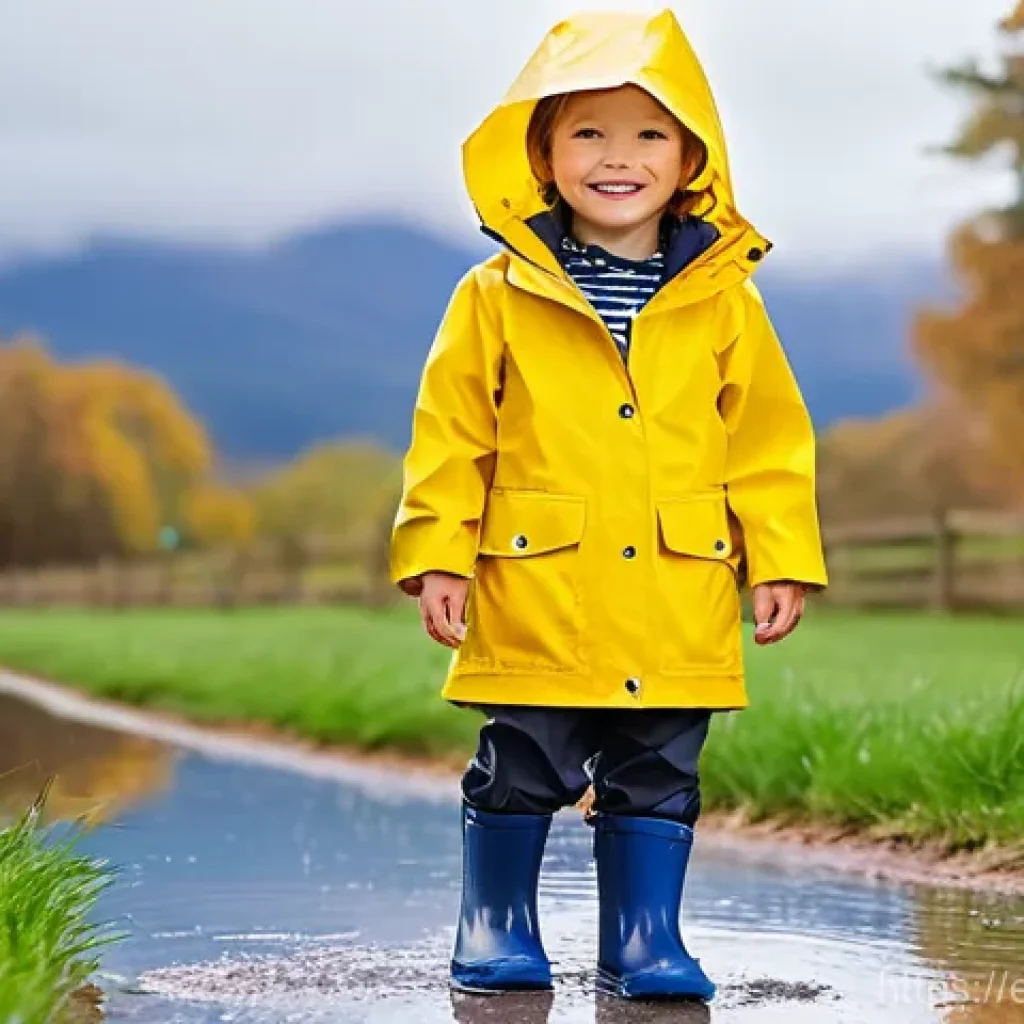
Oh, rainy days! For us adults, they often mean cozying up indoors, but for our little adventurers, a downpour is just another invitation to explore, isn’t it?
As a parent who’s seen more than her fair share of puddle-jumping escapades and muddy masterpieces, I can tell you firsthand that a reliable raincoat for your child isn’t just a nice-to-have; it’s an absolute game-changer.
We’re not just looking for something to keep them dry; we want comfort, durability, and let’s be honest, a dash of style too! I’ve personally navigated the vast sea of options, from adorable animal-themed designs to high-tech, eco-friendly fabrics that promise to stand up to the most enthusiastic play.
Finding that perfect blend of practical protection and kid-approved coolness can feel like a quest, but trust me, it’s worth every minute when you see them splashing around without a care in the world.
So, if you’re ready to conquer those wet weather woes and ensure your little one stays snug and dry on their next outdoor adventure, let’s uncover the absolute best choices available right now!
Beyond Waterproof: What Really Matters in a Kids’ Raincoat
The Hidden Perks of Thoughtful Design
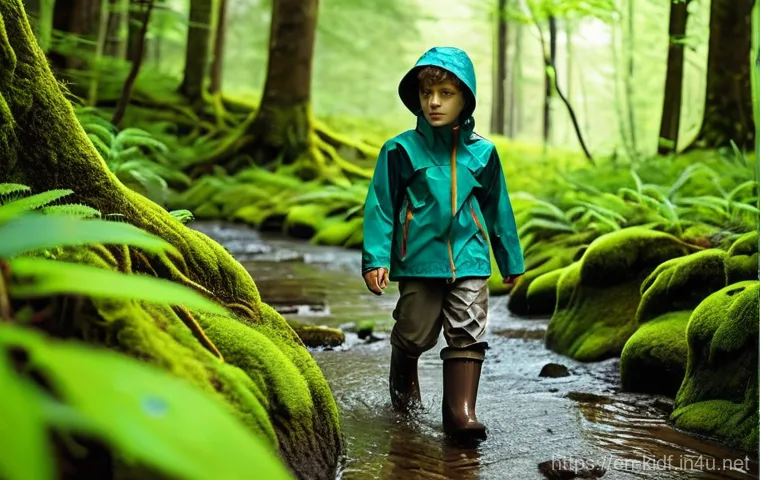
When you’re out there braving the elements with your little one, simply being “waterproof” just doesn’t cut it. I’ve learned this the hard way after countless soggy adventures. A truly great kids’ raincoat goes so much further, offering thoughtful design elements that transform a basic necessity into a piece of gear that genuinely supports their outdoor play. Think about the hood, for instance. Does it actually stay up when they’re running and jumping, or does it flop off with every slight movement? I’ve seen my own children get so frustrated when a poorly designed hood obstructs their vision or, worse, lets rain trickle down their neck. Then there’s the lining – a soft, breathable material can make all the difference, preventing that clammy feeling that can make even the driest kid grumpy. We’re also talking about well-placed pockets for collecting treasures, sturdy zippers that don’t snag tiny fingers, and even storm flaps to keep those pesky drips from sneaking in. These small details might seem minor on a hanger, but out in the wild, or even just in your backyard, they dictate whether a rainy day outing is a joy or a chore. My personal experience has taught me that investing a little extra time to scrutinize these features pays off immensely in comfort and prolonged outdoor fun.
It’s All About Their Comfort Zone
Comfort is king, especially for our active little adventurers. Imagine trying to run, climb, or even just bend down in a stiff, restrictive coat. It’s no fun, right? Our kids feel the same way. A raincoat shouldn’t just be a barrier against the rain; it should be a comfortable second skin that allows for full range of motion. This means looking for flexible fabrics that move with them, rather than against them. I’ve personally found that coats with a bit of stretch, or those made from softer, more pliable materials, are always the ones my kids reach for first. Furthermore, breathability is a massively underrated feature. While it’s crucial to keep water out, it’s equally important to allow moisture *from the inside* (aka sweat!) to escape. Without it, even in a perfectly dry coat, your child can end up feeling damp and chilled, which totally defeats the purpose. A happy kid in the rain is a dry and comfortable kid, and that comfort comes from a coat that feels good, fits well, and breathes properly. It’s all about creating an environment where they can genuinely enjoy splashing and playing without feeling constricted or overheated.
Decoding Fabrics: From PVC to Eco-Friendly Options
Traditional Choices: Weighing the Pros and Cons
Venturing into the world of raincoat fabrics can feel a bit like a science lesson, but trust me, understanding the basics helps immensely when you’re trying to pick the right gear. For a long time, PVC (polyvinyl chloride) was the go-to for rainwear. It’s incredibly waterproof and relatively inexpensive, which made it a popular choice. However, I distinctly remember those stiff, crinkly PVC coats from my own childhood – they kept you dry, but they weren’t exactly comfortable or breathable. Trying to move freely in one was a challenge, and they could feel pretty clammy inside. Another common option is polyurethane (PU) coated fabrics. These offer a fantastic balance, being highly waterproof, much softer, and more flexible than PVC. They usually drape better and feel much nicer against the skin or over layers. While still synthetic, many brands are now using recycled or more sustainably sourced PU. When I’m looking, I often lean towards PU-coated options because they offer that critical flexibility that lets kids really play without feeling bundled up in a rigid shell. It’s a noticeable difference in how kids move and enjoy themselves, making the slightly higher price point often worth it.
The Rise of Sustainable and Smart Materials
The good news is that the rainwear market has come a long way, especially with a growing emphasis on sustainability and advanced performance. We’re seeing more and more innovative fabrics that not only keep kids dry but also minimize environmental impact. Recycled polyesters coated with PFC-free DWR (Durable Water Repellent) finishes are becoming increasingly popular. These materials are often lightweight, breathable, and just as effective at repelling water without relying on harmful chemicals. I’ve personally been drawn to brands that are transparent about their material sourcing and production processes. Then there are highly technical fabrics like those with waterproof-breathable membranes, similar to what you’d find in adult outdoor gear. These often use microscopic pores that are small enough to block water droplets from entering but large enough to allow water vapor (sweat) to escape. This is a game-changer for active kids who generate a lot of body heat, ensuring they stay dry from the inside out. While these might come with a higher price tag, their comfort and performance are often unmatched, making them a worthwhile investment if your child spends a lot of time outdoors in wet weather. It’s exciting to see how much thought is now going into making gear that’s better for both our kids and the planet.
Fit and Function: Ensuring Comfort and Playability
The Goldilocks Principle: Not Too Big, Not Too Small
Getting the fit just right for a child’s raincoat is a bit like a Goldilocks story – it shouldn’t be too big, and it definitely shouldn’t be too small. A coat that’s too snug will restrict movement, making it uncomfortable for running, climbing, or even just bending over to inspect a puddle. On the other hand, a coat that’s too large can be a tripping hazard, with sleeves that hang over their hands or a hem that drags on the ground. Plus, it just won’t keep the rain out as effectively if water can easily sneak in through oversized openings. When I’m shopping, I always look for a fit that allows for a cozy sweater or fleece underneath without feeling tight, but also isn’t so baggy that it looks like they’re wearing an adult’s coat. Pay attention to sleeve length – adjustable cuffs are a blessing here, as they allow you to fine-tune the fit as your child grows and ensure water doesn’t sneak up their arms. Remember, kids grow fast, so while you might be tempted to size up significantly, a properly fitting coat in their current size, with perhaps a tiny bit of room to spare, will offer the best protection and comfort for the season. It’s about finding that sweet spot where they’re protected but completely unhindered.
Features That Make a Real Difference Outdoors
Beyond just keeping them dry, a truly functional raincoat has a few key features that really stand out in the wild (or just the schoolyard). First off, a good quality zipper is paramount. Kids, with their sometimes-impatient fingers, need a zipper that’s robust, easy to pull up and down, and ideally, has a storm flap over it to prevent water from seeping through. Snaps are okay for smaller kids, but a smooth-running zipper is a lifesaver. Next, think about visibility. Many raincoats now incorporate reflective details, which is a non-negotiable for me, especially for those dreary, dim afternoons or walking home from school. Anything that makes your child more noticeable to drivers or cyclists is a huge win for safety. I also love adjustable cuffs and hems. These allow you to customize the fit, keeping sleeves out of the way during play and cinching the hem to keep drafts out. Pockets are another practical element; kids love collecting treasures, and having a secure, waterproof pocket for a cool leaf or a shiny stone makes their day. These small, thoughtful additions aren’t just bells and whistles; they genuinely enhance the practicality and safety of the raincoat, making it a reliable companion for all their wet-weather escapades.
Style Savvy: Making Rain Gear Fun for Kids
From Puddles to Playgrounds: Fashion Meets Function
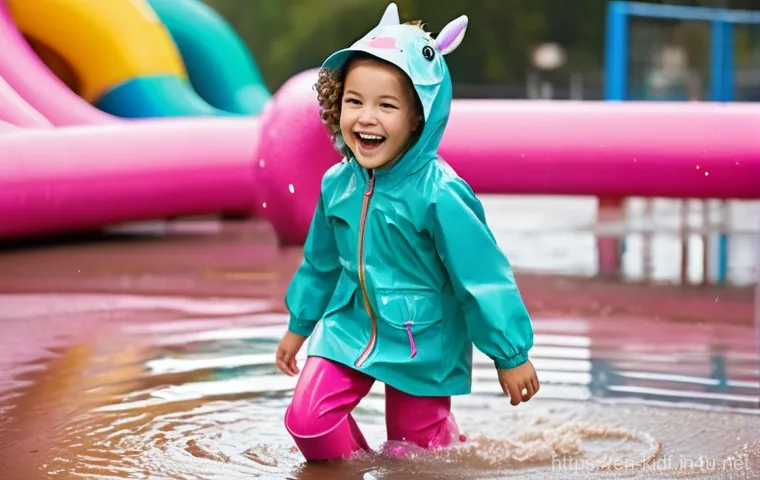
Let’s be real, if kids don’t like how something looks, getting them to wear it can be an uphill battle, no matter how practical it is. That’s why injecting a bit of fun and style into rain gear is so important! We’re not just dressing them for protection; we’re dressing them for adventure, and a coat they genuinely love will be worn with enthusiasm. Thankfully, designers have really stepped up their game. Gone are the days of drab, utilitarian raincoats. Now, you can find a dazzling array of options: vibrant colors that pop against a grey sky, playful patterns featuring everything from dinosaurs and unicorns to rockets and polka dots, and even clever designs that incorporate character themes. When I’m shopping, I always involve my kids in the selection process. Letting them pick their favorite color or pattern gives them a sense of ownership and excitement about their new gear. I’ve seen firsthand how a raincoat with their beloved cartoon character or a dazzling rainbow print transforms a reluctant “ugh, it’s raining” into an eager “Can I wear my special coat today?!” It really makes those drizzly mornings so much easier for everyone involved, proving that a little bit of fashion can go a long way in functionality.
Empowering Little Fashionistas (and Fashionistos!)
Giving children a voice in their clothing choices, even for something as practical as a raincoat, can be incredibly empowering. It taps into their burgeoning sense of independence and personal style. While we, as parents, prioritize safety and durability, they’re often drawn to what looks cool or makes them feel special. I’ve found a great middle ground by presenting a few options that meet all my practical criteria but allow my child to make the final “style” decision. This simple act can turn a potential battle into a cooperative decision, making them much more likely to wear and even cherish their raincoat. Think about it – a brightly colored coat not only looks cheerful, but it also increases visibility, which is an accidental safety bonus! Matching their raincoat to a pair of fun rain boots or a quirky umbrella can create a whole rainy-day ensemble that makes them feel put-together and ready to conquer any puddle. Encouraging their personal preferences, within reasonable bounds, fosters confidence and makes getting dressed for wet weather less of a chore and more of an exciting part of their daily routine. After all, if they feel good in what they’re wearing, they’re more likely to embrace whatever the weather throws at them.
Durability and Care: Making Your Investment Last
Built to Last: Spotting Quality Construction
Let’s face it, kids are hard on their clothes, and raincoats are no exception. They’ll be dragged through bushes, sat on muddy ground, and probably used as a makeshift parachute from time to time. That’s why durability is absolutely paramount. When I’m scrutinizing a raincoat, I pay close attention to the construction. Are the seams taped or sealed? This is crucial, as stitches can be tiny points where water can eventually seep through. Look for smooth, clean finishes on all seams, both inside and out. The quality of the zipper is another tell-tale sign of durability; a cheap, flimsy zipper is a recipe for frustration and failure. Opt for robust, plastic or metal zippers that operate smoothly and feel substantial. Reinforced stress points, like the areas around pockets or where the hood attaches, also indicate a coat built to withstand enthusiastic play. I’ve learned that a slightly higher initial investment in a well-constructed coat often saves money in the long run, as it won’t need replacing halfway through the season. My kids have put some raincoats through the wringer, and the ones that stand up best are always those with obvious attention to these critical construction details, showing they’re designed to handle everything a child can throw at them (or in them!).
Keeping It Fresh: Washing and Waterproofing Tips
Just like any piece of outdoor gear, a child’s raincoat needs a little TLC to keep it performing at its best. The good news is that most modern kids’ raincoats are surprisingly easy to care for, but a little knowledge goes a long way. Always, and I mean always, check the care label first. This will give you specific instructions on washing temperature, drying methods, and whether it’s safe to use fabric softener (which often isn’t recommended as it can compromise waterproof coatings). Generally, most raincoats can be machine washed on a gentle cycle with a mild detergent. I personally opt for a liquid detergent and avoid powder, as it can sometimes leave residue. When it comes to drying, air drying is usually the safest bet to protect the waterproof coating. If the DWR (Durable Water Repellent) finish starts to wear off over time – you’ll notice water soaking in rather than beading up – you can often restore it with a wash-in or spray-on waterproofing treatment specifically designed for technical outerwear. I’ve had great success extending the life of my kids’ favorite raincoats by re-waterproofing them every couple of seasons. It’s a small effort that makes a huge difference in keeping them dry and comfortable, and it saves you from having to buy a new coat prematurely.
| Feature | Why It Matters | Personal Tip |
|---|---|---|
| Waterproof Rating | Ensures dryness in light showers vs. downpours. | Look for at least 5,000mm for serious play. |
| Breathability | Prevents clamminess and overheating during active play. | A breathable fabric (like PU or coated nylon) is a must! |
| Hood Design | Stays on without obstructing vision, offers good coverage. | An adjustable hood with a small brim is ideal for my kids. |
| Closure Type | Easy for little hands to manage, secure against rain. | Zippers with a storm flap are far superior to simple snaps. |
| Reflective Details | Increases visibility in low light, crucial for safety. | A non-negotiable for school commutes or evening walks. |
Smart Shopping Strategies for Wet Weather Wear
Timing Your Purchase: When to Bag a Bargain
Let’s be honest, kid’s gear can add up quickly, especially when you’re trying to get quality pieces that last. So, smart shopping for raincoats isn’t just about picking the right one; it’s also about picking the right *time* to buy it. I’ve become a seasoned pro at snagging next year’s sizes during end-of-season sales. When summer is winding down and stores are clearing out their warm-weather stock, you’ll often find fantastic deals on raincoats as retailers make room for fall and winter collections. Similarly, after the major holiday season in January, or as spring approaches and winter gear is being discounted, you might find some hidden gems. It requires a bit of foresight – trying to estimate your child’s size a year in advance can be tricky, but usually, going up one size from their current fit is a safe bet for a coat. Shopping during these off-peak times can lead to significant savings, allowing you to invest in a higher quality, more durable raincoat that might have been out of budget at full price. It’s a little trick that has saved me a bundle over the years, ensuring my kids are well-equipped without breaking the bank.
Reading Reviews and Real-World Feedback
In today’s online shopping world, reviews are gold, and I swear by them when it comes to buying kids’ gear. Manufacturer descriptions are great, but nothing beats hearing from other parents who have put a product through its paces in real-life scenarios. When I’m looking at a raincoat, I don’t just skim; I delve into the comments, specifically looking for insights on how it holds up to energetic play, how accurate the sizing is, and whether it truly keeps water out in a downpour versus just a light drizzle. Are parents mentioning issues with zippers, or does the hood actually stay put? I also pay attention to comments about how easy it is to clean, as that’s a huge factor for me. Beyond online reviews, don’t underestimate the power of word-of-mouth. Asking friends, family, or even parents at the playground for their recommendations can provide invaluable insights. Often, they’ll share specific brands or models that have truly impressed them, or warn you off ones that didn’t live up to expectations. This collective wisdom saves me time, money, and the frustration of buying a raincoat that just doesn’t perform. It’s all about leveraging the experience of the parent community to make the best possible choice for your little explorer.
Accessorizing for All-Weather Adventures
Beyond the Coat: Essential Rainy Day Companions
A fantastic raincoat is undoubtedly the MVP of rainy day gear, but it’s just one player on the team. To truly conquer wet weather and ensure your child stays completely dry and comfortable, you need a few essential companions. Top of my list are proper rain boots. There’s honestly no point in keeping their torso dry if their feet are squelching in cold, wet socks! Look for sturdy, waterproof boots with good traction to prevent slips. My kids practically live in theirs during spring and fall, splashing in every puddle imaginable. Next up are splash pants or waterproof overalls. These are absolutely game-changers for serious puddle jumpers and mud enthusiasts. They protect pants and knees from getting soaked and muddy, meaning less laundry for you and more freedom for them to explore. For colder rainy days, waterproof mittens or gloves are also a wise investment. Little hands get cold fast when wet, and keeping them warm makes a huge difference in overall comfort. Building a complete rainy-day ensemble ensures that your child is protected from head to toe, allowing them to fully embrace the joys of playing outdoors, no matter the weather. It’s about creating a waterproof bubble of fun!
The Art of Layering for Optimal Warmth and Dryness
Layering isn’t just for adults hitting the hiking trails; it’s a fundamental strategy for keeping kids warm and dry in changeable wet weather. The raincoat itself acts as the outer, waterproof and windproof shell, but what goes underneath is just as important. Start with a moisture-wicking base layer, especially if your child is going to be active. This helps pull sweat away from their skin, preventing them from getting chilled. On top of that, add a warm mid-layer like a fleece jacket or a wool sweater. This provides insulation and traps body heat. The beauty of layering is its adaptability; as the weather shifts or as your child’s activity level changes, you can easily add or remove layers to regulate their temperature. For instance, on a mild, rainy day, a t-shirt under the raincoat might be enough, but on a colder, blustery day, a long-sleeve base layer and a cozy fleece become indispensable. I’ve found that teaching my kids this simple concept empowers them to manage their own comfort, and it ensures that no matter how unpredictable the weather gets, they’re always prepared for their next adventure. It really makes a difference between a miserable outing and a fantastic one.
Wrapping Things Up
Well, fellow parents, we’ve splashed through quite a few puddles today, diving deep into what really makes a kids’ raincoat shine beyond just being “waterproof.” My hope is that this guide empowers you to navigate the sometimes-overwhelming world of children’s outdoor gear with confidence. Remember, it’s not just about shielding them from the rain; it’s about fostering their love for the outdoors, rain or shine, by ensuring they’re comfortable, safe, and happy. When you see your little one beaming as they jump in a puddle, completely oblivious to the drizzle, you’ll know every thoughtful choice you made was absolutely worth it. Here’s to many more joyful, dry adventures!
Useful Information to Know
1. Check for PFC-Free DWR: When looking at the “Durable Water Repellent” (DWR) finish, try to find options that are PFC-free. PFCs (per- and polyfluorinated chemicals) are environmental concerns, and many brands are now offering effective, eco-friendlier alternatives. This is a small but significant detail for both your child’s health and the planet.
2. Layering is Your Secret Weapon: Always think about what your child will wear *underneath* the raincoat. A good base layer (like merino wool or synthetic) and a warm mid-layer (fleece) are crucial for temperature regulation, preventing them from getting too cold or clammy, even in a highly breathable coat. This strategy makes the raincoat much more versatile across different weather conditions.
3. Consider the “Hand-Me-Down” Factor: Investing in a higher-quality, durable raincoat often means it can be passed down to younger siblings or friends. This not only saves you money in the long run but also reduces waste. Look for timeless designs and robust construction that can withstand multiple rounds of enthusiastic wear and tear.
4. Don’t Forget Footwear and Leg Protection: A raincoat is only one part of the equation. Pair it with sturdy, waterproof rain boots and, for serious puddle enthusiasts, consider splash pants or waterproof overalls. These additions ensure head-to-toe dryness and dramatically expand the possibilities for outdoor play in wet weather.
5. The Zipper Test: Before buying, have your child try zipping and unzipping the coat themselves a few times. A smooth, snag-free zipper is essential for their independence and for preventing tears in the fabric (and tears of frustration!). Look for large pulls and a quality construction that feels robust in their little hands.
Key Takeaways
Choosing the right kids’ raincoat goes far beyond just its waterproof claim; it’s about a holistic approach to comfort, functionality, and fostering a love for outdoor play. My personal journey as a parent has shown me that prioritizing thoughtful design elements like a well-fitting hood, breathable fabrics, and secure closures dramatically enhances their experience. We learned that durability, often evidenced by taped seams and robust zippers, is non-negotiable for gear that can withstand enthusiastic play and keep serving its purpose for seasons to come. Moreover, involving your child in the selection process, allowing them to choose fun colors or patterns, can truly transform their attitude towards rainy days, turning a potential struggle into eager anticipation. Remember that smart shopping, like timing your purchases during sales and leveraging parent reviews, can lead to incredible value. Ultimately, a great raincoat, coupled with essential accessories and smart layering, isn’t just about keeping dry; it’s about empowering our children to embrace every adventure, come rain or shine, ensuring they remain warm, comfortable, and utterly joyful in the great outdoors.
Frequently Asked Questions (FAQ) 📖
Q: What are the absolute must-have features I should look for when buying a raincoat for my child?
A: Oh, this is such a crucial question, and one I’ve wrestled with more times than I can count! From my own experience with my two little adventurers, the absolute non-negotiables start with waterproofing.
And I don’t just mean water-resistant; we need fully waterproof, sealed seams, or else those puddles will find a way in, believe me! Look for materials like polyurethane (PU) or PVC, or even some of the newer, breathable waterproof fabrics.
My personal favorite type has been one with a good PU coating because it tends to be super flexible, allowing for all sorts of wild arm-waving and climbing.
Next up is a good hood. It needs to fit snugly enough to stay on without being restrictive, perhaps with a soft elastic edge or a small brim to keep rain off their face.
I’ve found that hoods with a little extra depth really make a difference. And don’t forget durability! Kids are tough on clothes, so reinforced knees and elbows, or just a generally sturdy fabric, will save you from having to buy a new one every season.
Honestly, I once bought a super cute, flimsy one, and it didn’t even last through a single muddy expedition. Lesson learned!
Q: My child complains about being too hot or restricted in their raincoat. How can I ensure they’re comfortable while still staying dry?
A: This is a classic dilemma, isn’t it? It’s something I’ve heard from my own kids time and again, and it often comes down to breathability and fit. You want them dry, but not at the expense of their comfort and ability to move freely.
My best advice here is to look for raincoats made with breathable waterproof fabrics. While traditional PVC can be super effective at keeping water out, it can also trap heat and moisture in, leading to that sticky, uncomfortable feeling.
Many brands now offer jackets with inner linings that wick away moisture or fabrics like Gore-Tex (though often pricier) or similar technologies that allow sweat vapor to escape while still blocking rain.
I’ve personally found that a good breathable lining makes a world of difference. Also, sizing up just slightly can help. You don’t want it so big that it’s swimming on them, but enough room for a sweater or fleece underneath on colder days means they’re not crammed in.
This layering strategy is a game-changer for regulating temperature. My son used to hate his raincoat until we switched to one that wasn’t quite so snug, and he instantly became a happier little puddle-stomper!
Q: With so many adorable designs out there, how can I be sure I’m choosing a raincoat that will actually last through all the puddle jumping and playground adventures?
A: Oh, the struggle is real when you see all those charming patterns and vibrant colors, right? It’s so easy to get swept up in the cuteness! But, as a seasoned parent, I’ve learned that looking beyond the adorable exterior is key to longevity.
My biggest tip is to check the material composition. As I mentioned earlier, polyurethane (PU) is a fantastic choice because it’s not only waterproof but also quite flexible and resistant to tearing.
Avoid anything that feels too thin or easily snagged. I once bought a raincoat that looked amazing online, but when it arrived, the fabric felt flimsy, and sure enough, it ripped at the seam after just a few rough-and-tumble playdates.
Another thing to consider is the quality of the zippers and fasteners. A sturdy, smooth-gliding zipper with a good storm flap underneath is a sign of a well-made coat.
And look for reinforced stress points – areas like the cuffs, pockets, and where the hood attaches. These are often the first places to show wear and tear.
Honestly, investing a little more in a reputable brand with good reviews for durability often pays off in the long run, saving you from replacing a cheap, torn raincoat mid-season.
It’s all about finding that sweet spot where practicality meets personality!