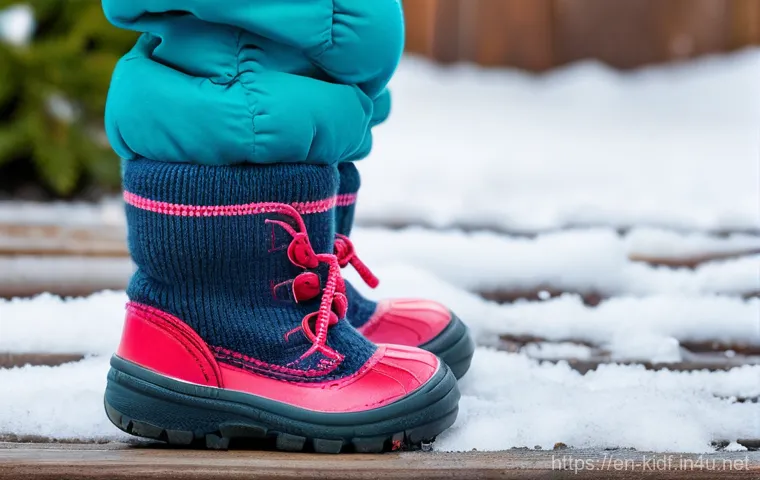
Winter has officially arrived, and if you’re a parent navigating these chilly months, you know the constant battle to keep those precious little toes warm and snug!
There’s nothing quite like seeing your toddler’s face light up as they explore, but a pair of cold feet can quickly turn that joy into discomfort. I’ve personally wrestled with countless pairs of socks that promise warmth but just don’t deliver, or worse, slip right off at the first sign of adventure.
Lately, I’ve noticed a real game-changer in toddler winter wear, with innovative materials and smart designs finally making a difference. From luxuriously soft merino wool blends to clever anti-slip features that actually stay put, finding the right pair is easier than ever.
So, if you’re ready to ditch the cold feet struggles and ensure your little one stays cozy all season long, let’s discover the perfect solutions together.
Winter has officially arrived, and if you’re a parent navigating these chilly months, you know the constant battle to keep those precious little toes warm and snug!
There’s nothing quite like seeing your toddler’s face light up as they explore, but a pair of cold feet can quickly turn that joy into discomfort. I’ve personally wrestled with countless pairs of socks that promise warmth but just don’t deliver, or worse, slip right off at the first sign of adventure.
Lately, I’ve noticed a real game-changer in toddler winter wear, with innovative materials and smart designs finally making a difference. From luxuriously soft merino wool blends to clever anti-slip features that actually stay put, finding the right pair is easier than ever.
So, if you’re ready to ditch the cold feet struggles and ensure your little one stays cozy all season long, let’s discover the perfect solutions together.
The Secret Weapon: Fabrics That Truly Warm Tiny Toes
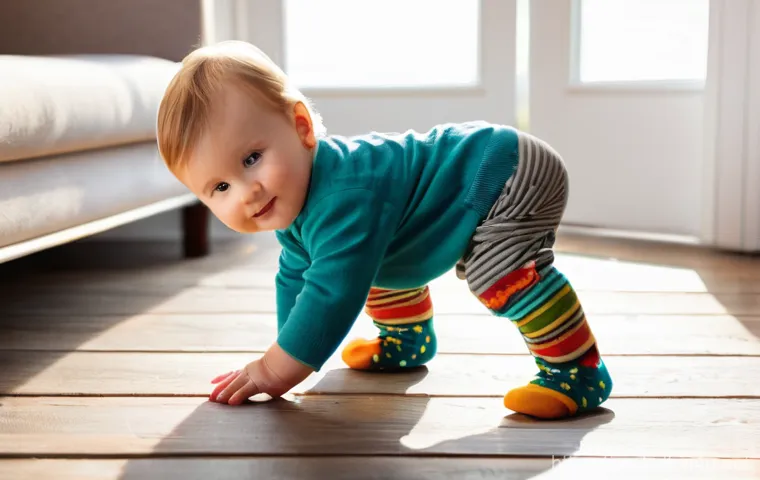
Oh, the endless quest for materials that actually stand up to winter’s chill! I’ve been there, staring at countless sock labels, trying to decipher which blend will truly keep my little one’s feet from turning into ice blocks. What I’ve discovered through trial and error, and let me tell you, there’s been plenty of error, is that not all ‘warm’ fabrics are created equal. It’s not just about thickness; it’s about the magic woven into the fibers. For instance, I used to think cotton was the way to go because it felt soft, but then I realized it just absorbs moisture and stays wet, making feet even colder. It was a frustrating learning curve, especially when you’re trying to get out the door and your toddler is already complaining about chilly toes. Finding the right fabric can genuinely transform their winter experience, making those outdoor adventures so much more enjoyable for everyone involved. It’s a game-changer when you don’t have to constantly worry about their comfort.
Merino Wool: The Unsung Hero for Winter Warmth
If there’s one fabric I swear by, it’s merino wool. Seriously, this stuff is pure gold for little feet in winter. I remember being hesitant at first, thinking “wool will be scratchy,” but boy, was I wrong! Modern merino wool is incredibly soft, far from the itchy sweaters of our childhood. What makes it so brilliant is its natural ability to regulate temperature, meaning it keeps feet warm when it’s cold but also prevents overheating when they’re running around indoors. Plus, it wicks away moisture like a pro, which is essential for active toddlers who tend to get sweaty feet. I’ve seen firsthand how a good pair of merino socks can keep my child’s feet dry and toasty even after a long session playing in the snow. It’s an investment, for sure, but the comfort and warmth it provides are, in my opinion, absolutely priceless. Trust me on this one; once you try merino, you won’t look back.
Clever Blends and Synthetic Wonders
While merino wool often takes the crown, it’s not the only player in the game. I’ve also had great success with various synthetic blends that offer fantastic warmth and durability, often at a more budget-friendly price point. Think acrylic, polyester, and spandex mixes. These blends are designed to be warm, quick-drying, and incredibly resilient, which is perfect for socks that are going to see a lot of wear and tear (and mud, let’s be honest). I particularly look for blends that incorporate some stretch, as this helps the socks stay on better and provides a snug, comfortable fit without being too restrictive. Some even have anti-microbial properties, which is a huge bonus for keeping those little feet fresh. It’s amazing how far fabric technology has come; these aren’t your grandmother’s synthetic socks. They’re engineered for performance and comfort, making them a really viable option for everyday winter wear.
The Great Escape: Keeping Socks Securely on Active Feet
Oh, the perennial parenting challenge: keeping socks on a busy toddler! It feels like a magic trick sometimes, doesn’t it? One minute they’re perfectly cozy, the next, one sock has mysteriously vanished, often without a trace. I can’t tell you how many times I’ve found a lone sock abandoned in the grocery cart or under the car seat. It’s not just annoying; cold, exposed feet can quickly lead to a miserable little one, and nobody wants that. This is where smart design truly shines, and I’ve learned to prioritize certain features that make a huge difference in the battle against the disappearing sock. It’s about more than just looking cute; it’s about practical design that withstands the wiggles, crawls, and sprints of an energetic toddler. It truly makes a difference in maintaining their comfort and warmth throughout the day, saving you from constant sock retrieval missions.
The Magic of Non-Slip Grippers
For little ones who are constantly on the move, whether crawling, cruising, or fully walking, non-slip grippers on the soles are non-negotiable in my book. I’ve seen firsthand how a tiny slip on a tiled floor can lead to a bumped head or a frightened cry. The silicone or rubber dots on the bottom of winter socks provide that crucial extra traction, giving toddlers the confidence to explore safely. It’s not just about preventing falls indoors; they’re also great for those moments when shoes come off, but the adventure continues. I’ve found that the best grippers are well-distributed and durable, able to withstand countless washes without peeling off. It gives me such peace of mind knowing my child has that extra bit of stability, especially during those unpredictable bursts of energy that seem to come out of nowhere. It’s a small detail that offers a huge safety benefit.
Ankle Cuffs: The Unsung Heroes of Sock Security
Beyond the grippers, let’s talk about ankle cuffs – often overlooked but incredibly important for keeping socks where they belong. I used to just grab any cute pair, only to find them bunched around my toddler’s ankles within minutes. Now, I specifically look for socks with a well-designed cuff: not too tight to leave marks, but snug enough to stay up. Ribbed cuffs or those with a bit more elasticity tend to perform best. Some brands even offer extended cuffs that go further up the calf, providing an extra layer of warmth and a much harder challenge for even the most determined sock-pulling toddlers. It’s a simple feature, but it’s amazing how much difference a properly fitting cuff makes in the overall wearability and security of a winter sock. When the cuff holds, the sock holds, and that’s a win in my book.
The Perfect Fit: Sizing Up for Growing Toes
Finding the right size for toddler socks can feel like an art form, especially when their feet seem to grow overnight! I’ve made the mistake of buying socks that were too big, leading to uncomfortable bunching and slips, and too small, which can restrict circulation and leave red marks. Neither is ideal for keeping those little feet happy and healthy through the winter months. It’s a delicate balance because you want some room for growth, but not so much that the sock loses its shape or effectiveness. Plus, every brand seems to have its own sizing chart, making it even more confusing. What I’ve learned is that while age ranges are a good starting point, they’re definitely not the be-all and end-all. You’ve got to consider their actual foot size and shape to truly nail the fit. It’s about more than just the number on the package; it’s about understanding how the sock will actually perform on their unique feet.
Beyond the Age Range: Measuring for Accuracy
Forget the age ranges printed on the packaging as your sole guide – they’re just a suggestion! I’ve got a toddler with surprisingly long feet for their age, and another whose feet are wider. Relying just on age meant either too-short socks or socks that were too tight across the foot. My best advice? Actually measure your child’s foot. It sounds like a hassle, but a quick measurement from heel to toe can save you so much frustration (and money!). Most sock brands will have a size chart that corresponds to foot length in inches or centimeters. I keep a little note in my phone with their current foot measurements, which makes online shopping so much easier. Also, consider the thickness of the sock; a super plush winter sock might need a slightly larger size than a thin summer one to accommodate the extra material comfortably. It’s all about finding that sweet spot where the sock hugs the foot without constricting it, allowing for natural movement and growth.
The Goldilocks Fit: Not Too Tight, Not Too Loose
When it comes to toddler socks, you’re aiming for that ‘just right’ fit. Too tight, and you risk restricting circulation, causing discomfort, and even affecting foot development over time. I’ve seen those tell-tale red marks around the ankle or toes, and it’s a clear sign the sock is just too snug. On the flip side, socks that are too loose will bunch up, slip down, and create friction points that can lead to blisters or discomfort. They also won’t provide the insulation they’re supposed to if they’re not in proper contact with the skin. The ideal winter sock should fit snugly around the foot and ankle, with the heel cup sitting perfectly at the heel, and enough wiggle room in the toes without excessive fabric gathering at the tip. This allows for natural foot movement within their shoes and ensures maximum warmth and comfort throughout their busy day. It really does make all the difference in their overall happiness and foot health.
Beyond the Basics: Smart Features for Winter Warmth
Once you’ve nailed down the right material and size, it’s time to dive into the cool features that elevate a good winter sock to a truly great one. I used to think a sock was just a sock, but as a parent navigating chilly mornings and snow-filled afternoons, I’ve realized the devil is in the details. These aren’t just about adding flair; they’re about enhancing comfort, durability, and overall protection against the elements. I’ve personally found that paying attention to these little extras can make a huge difference in how happy and warm my child stays, especially during extended outdoor play. It’s amazing how innovative sock designers have become, addressing all those little annoyances and discomforts that parents and toddlers often face. Trust me, once you experience these smart features, you’ll wonder how you ever managed without them.
Moisture-Wicking Wonders for Dry Toes
Sweaty feet are cold feet, especially in winter! This is a lesson I learned the hard way after my child came in from playing, and their cotton socks were damp and icy. Now, I always look for socks with excellent moisture-wicking properties. Fabrics like merino wool or specialized synthetics are designed to pull moisture away from the skin and towards the outer surface of the fabric where it can evaporate. This keeps feet dry, which is absolutely crucial for maintaining warmth. When feet stay dry, they stay warmer for longer, preventing that clammy, uncomfortable feeling that can quickly ruin an otherwise fun outing. It also helps prevent bacterial growth, which is a nice bonus! I’ve noticed a significant difference in my toddler’s comfort levels on longer walks or playdates when they’re wearing socks with this feature. It’s truly a hidden superpower for winter footwear.
Seamless Comfort and Reinforced Everything
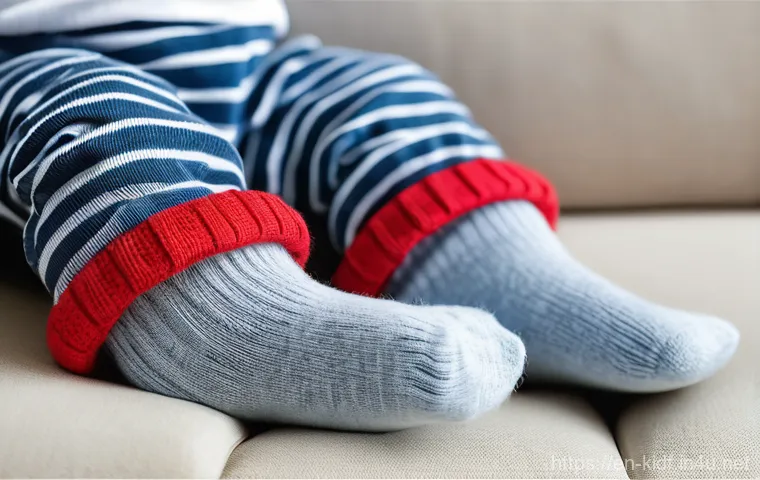
Toddlers can be incredibly sensitive to seams, and a poorly placed seam can turn a perfectly warm sock into a source of constant irritation. I’ve seen my child try to rip off socks because of a tiny, bothersome seam. That’s why seamless toe construction is a game-changer for sensitive little feet. It eliminates bulk and irritation, providing a much smoother, more comfortable fit. Beyond comfort, I also prioritize socks with reinforced heels and toes. Let’s be real, toddlers are tough on their clothes, and socks take a beating! Reinforced areas add extra durability in high-wear spots, meaning your investment in good winter socks will last longer. I’ve found that socks with these features don’t just feel better; they also stand up to countless washes and endless adventures, which is essential for busy parents looking for value and longevity.
Winter Sock Material & Feature Comparison
To help you navigate the sea of options, I’ve put together a quick comparison of some popular materials and their key features. This is based on my own experiences and what I’ve learned works best for keeping little feet warm and happy.
| Material Type | Key Benefits | Considerations | Best For |
|---|---|---|---|
| Merino Wool | Excellent warmth-to-weight ratio, superior moisture-wicking, natural temperature regulation, soft and non-itchy. | Higher price point, requires gentle washing to maintain integrity. | Coldest days, active outdoor play, sensitive skin. |
| Synthetic Blends (Acrylic/Polyester) | Durable, quick-drying, often more affordable, good warmth, can include anti-microbial properties. | Less breathable than wool, can sometimes feel less “natural.” | Everyday wear, active play, great value. |
| Fleece Lined | Incredibly soft and plush, offers good warmth, very comfortable. | Can be bulky, may not wick moisture as effectively as wool or advanced synthetics. | Cozy indoor wear, moderate outdoor temps, babies. |
Washing Woes No More: Extending the Life of Winter Socks
So, you’ve invested in some fantastic winter socks for your little one – great job! But the journey doesn’t end there. Proper care is crucial if you want those socks to maintain their warmth, softness, and shape through countless washes and wears. I’ve definitely learned a few lessons the hard way, shrinking a favorite pair or having them lose their grippers after a harsh cycle. It’s frustrating when quality socks don’t last as long as they should, often because of simple mistakes in the laundry room. But don’t worry, it’s not rocket science! A little attention to detail can significantly extend the life of your toddler’s winter sock collection, making sure they stay cozy and functional for the entire season, and maybe even beyond. It’s about preserving that initial investment and ensuring continued comfort for their little feet.
Gentle Cycles and Cold Water: A Sock’s Best Friend
When it comes to washing, think gentle. Harsh detergents and hot water are the enemies of delicate fibers, especially merino wool. I’ve found that a cold water wash on a gentle cycle is the safest bet for almost all toddler winter socks. It helps preserve the elasticity of the cuffs and the integrity of the grippers, and it’s much kinder to the fabric fibers themselves, preventing premature wear and tear. If your socks are heavily soiled from a day of muddy adventures, a quick pre-soak in some cool water can work wonders before tossing them in the machine. And don’t overload the washer! Giving the socks room to move and rinse properly means they’ll come out cleaner and suffer less abrasion. It’s a simple change in routine that really does make a difference in how long your child’s favorite warm socks will last.
Drying Do’s and Don’ts for Longevity
This is where many of us (myself included!) often go wrong. High heat from a tumble dryer is a major culprit for shrinking socks, especially wool ones, and can also degrade synthetic fibers and cause those precious non-slip grippers to peel or crack. My golden rule for drying winter socks? Air dry whenever possible! Laying them flat on a drying rack or hanging them gently will help them retain their shape and size. If you absolutely must use a dryer for synthetic blends, opt for the lowest heat setting or an air-fluff cycle. And never, ever put merino wool socks in a hot dryer if you want them to remain toddler-sized! I’ve learned this lesson from experience, and it’s a hard one to unlearn. A little patience during drying will pay off immensely in the lifespan and performance of those cozy winter socks, ensuring they’re ready for the next cold day.
Decoding the Dollars: Is an Investment in Socks Really Worth It?
Let’s talk money, because honestly, toddler socks can range from a few dollars for a multi-pack to a hefty sum for a single pair of high-performance ones. As a parent, I’ve definitely had moments where I’ve thought, “It’s just a sock, how much difference can it make?” But after years of battling cold feet and worn-out socks, I can tell you there’s a significant difference. It’s not just about the immediate warmth; it’s about durability, comfort, and ultimately, your child’s happiness and willingness to explore in colder weather. I’ve learned that sometimes, spending a little more upfront can actually save you money (and headaches) in the long run. Cheap socks often wear out quickly, offer poor insulation, and slip off constantly, meaning you’re constantly replacing them or dealing with a grumpy, cold child. It’s about understanding the value proposition for your family and your specific needs.
Budget-Friendly Finds That Still Deliver
Now, I’m not saying you have to break the bank to keep those toes warm. There are definitely some fantastic budget-friendly options out there, especially in synthetic blends. I’ve found great multi-packs that offer good warmth and decent durability, perfect for everyday wear and stocking up. The trick is to look closely at the material composition and customer reviews. Some of my favorite finds have been those that cleverly combine affordability with practical features like reinforced heels and toes or a decent gripper sole. While they might not have the luxurious feel of merino, they absolutely serve their purpose for school, daycare, or quick errands. It’s all about being a smart shopper and knowing what you’re looking for in terms of features and materials. You can absolutely find reliable, warm socks without feeling like you’re splurging excessively, especially for toddlers who are growing so fast!
High-End Investments: When to Splurge
On the other hand, there are definitely times when splurging on a higher-end pair of winter socks is absolutely worth it. For me, these are often the merino wool wonders or specialized performance socks designed for extreme cold or very active outdoor play. When we’re heading to the mountains for a ski trip, or planning a long day of sledding, I know that a premium pair of socks will provide superior warmth, moisture-wicking, and comfort that a cheaper alternative simply can’t match. These socks often feature advanced knitting techniques, seamless designs, and durable construction that justifies the higher price tag because they genuinely last longer and perform better under demanding conditions. I’ve seen firsthand how a truly excellent pair of socks can keep my child comfortable and happy for hours longer, making those special winter memories even better. For those critical moments, the investment absolutely pays off in comfort and peace of mind.
Wrapping Things Up
So there you have it, folks! Navigating the world of toddler winter socks doesn’t have to be a frosty ordeal. From my own adventures in parenting, I’ve seen firsthand how a little bit of knowledge about fabrics, fit, and features can make a world of difference.
Investing in the right pair truly means more smiles, fewer shivers, and more unforgettable winter moments for your little explorer. Keep those tiny toes toasty, and enjoy every single snowy adventure!
I’m truly passionate about finding solutions that make our parenting lives a little bit easier and a lot more joyful, and I hope these insights help you as much as they’ve helped me.
Good to Know Info
1. Always check for sock bundles or sales around major holidays like Black Friday or after Christmas. You can often snag high-quality merino wool or advanced synthetics at a fraction of the price, which is perfect for stocking up for the next season or for growth spurts! I’ve personally found some incredible deals by waiting for these strategic shopping times, and it’s a smart way to get premium comfort without the premium price tag for those rapidly growing feet.
2. Consider a “sock subscription” if you’re keen on ethical brands or organic materials. Some smaller companies offer curated boxes delivered right to your door, taking the guesswork out of finding durable, sustainable options for your little one’s ever-growing feet. It’s a fantastic way to discover new favorites and ensure you’re always stocked with fresh, high-quality socks that align with your family’s values, saving you precious time browsing store aisles.
3. Don’t underestimate the power of a good sock liner for extreme cold. While many winter socks are great on their own, a thin, moisture-wicking liner can add an extra layer of warmth and further prevent blisters, especially if your child is going to be incredibly active outdoors in freezing temperatures. I’ve found this to be a game-changer on those truly frigid days, providing that critical extra barrier against the cold that keeps the fun going longer.
4. When trying on socks, always do it with the shoes your child will be wearing most often. This helps ensure there’s enough room for both the sock and their foot comfortably, preventing any squishing or discomfort that could lead to cold feet or rubbing. It’s a simple step, but I’ve learned that a perfect sock in a too-tight shoe is no good at all, so this quick check can save a lot of morning fuss!
5. Keep an eye out for socks with reflective elements if your toddler spends time outdoors during darker winter afternoons. It’s a small but significant safety feature that adds visibility, especially important if you’re walking near roads or in low-light conditions. As a parent, I’m always looking for those extra layers of protection, and knowing they’re a little more visible brings invaluable peace of mind when the days get shorter.
Key Takeaways
Alright, friends, let’s condense all this warmth wisdom into the absolute essentials! From my perspective, the biggest game-changer is really understanding your fabrics – merino wool is often worth the splurge for its temperature regulation and moisture-wicking superpowers, but don’t count out the robust, budget-friendly synthetic blends for everyday hustle.
The fit, oh the fit! It’s not just about size; it’s about that ‘Goldilocks’ snugness that keeps socks on and toes happy, so measuring their actual feet is key.
And please, for the love of cozy toes, always prioritize those sneaky but essential features like non-slip grippers for safety and seamless toes for pure comfort.
Finally, a little TLC in the laundry room (think cold water and air drying!) will ensure your investment lasts through many chilly seasons. Your toddler’s winter joy truly starts from the ground up, so let’s keep those little feet warm and ready for all the amazing winter adventures ahead.
Trust me, happy feet make for happy kids, and a much happier parent!
Frequently Asked Questions (FAQ) 📖
Q: What are the absolute best materials for keeping my toddler’s feet toasty warm, and are there any I should definitely avoid?
A: Oh, this is a question I get all the time, and believe me, I’ve had my share of cold-feet-induced meltdowns with my own little one! When it comes to keeping those tiny toes genuinely warm and comfortable, especially in the thick of winter, the material truly makes all the difference.
My go-to, hands down, is Merino wool. It’s seriously a game-changer! Merino wool is incredibly soft, so you don’t have to worry about itchiness, and it’s a fantastic insulator, trapping warmth even if it gets a little damp.
Plus, it naturally wicks away moisture, which is crucial because sweaty feet quickly become cold feet. I’ve found that thermal socks, often made with special synthetic yarns like polyester blends, are also excellent for trapping heat and are often durable for all the rough-and-tumble play.
For extra comfort, especially at bedtime or under boots, fleece-lined socks offer a lovely additional layer of warmth and coziness. Now, for the one to definitely avoid for serious winter warmth?
Cotton. I know, it’s a staple, but cotton absorbs moisture and holds onto it, making feet feel colder once they get a bit damp. It just doesn’t wick away sweat effectively, which means less insulation and more discomfort for your busy toddler.
Save those cute cotton socks for warmer days!
Q: My little one’s socks are constantly slipping off! What’s the secret to keeping them on, especially when they’re running around?
A: Ugh, the disappearing sock act! It’s practically a toddler superpower, isn’t it? I’ve personally wrestled with countless pairs that promise to stay put only to find them halfway up their calf or completely missing in action.
The secret, I’ve discovered, lies in a few key features. First off, fit is paramount. You need socks that are snug but not tight, with enough elasticity in the cuff to gently hug their ankle without constricting it.
A good ribbed cuff often does the trick. Secondly, and this has been a total lifesaver for me, look for socks with silicone grips on the soles. Not only do these little grips help prevent slips and tumbles on hardwood or tile floors, but they also create a bit of friction inside their shoe or boot, making the sock less likely to slide down or off.
I’ve noticed that socks designed with a slightly higher ankle or calf length also tend to stay on better than those super-low cuts. And for those extra chilly days or particularly active outings, sometimes layering a thin, well-fitting sock under a slightly thicker one, or even putting a snug pair of booties over their socks, can add an extra layer of security and warmth.
It’s all about finding that perfect combination that locks them in place for all their adventures!
Q: Beyond just socks, what should I really look for in winter boots for my toddler to ensure their feet stay warm, dry, and they can still play comfortably?
A: This is where the real investment happens, and it’s totally worth it for those happy, dry feet! When I’m hunting for winter boots for my toddler, I focus on a few non-negotiables.
First, waterproofing is key, not just “water-resistant”. Kids will jump in puddles and stomp through slush, so you need boots with sealed seams and materials like GORE-TEX or treated leather to truly keep moisture out.
Secondly, insulation is crucial. Check for a temperature rating if possible; many quality boots will tell you what temperatures they’re designed for, often using materials like Thinsulate or a cozy fleece/wool lining.
A good pair should keep their feet warm without making them sweat excessively. Thirdly, and this is super important for little explorers, lightweight and flexible soles are a must.
Toddlers are still mastering their walking and running skills, so heavy, stiff boots can hinder their natural movement and even cause tripping. I always check that the sole bends easily at the ball of the foot.
And don’t forget traction! Look for deep treads or rubber compounds designed to grip well on icy or snowy surfaces to prevent slips and falls. Finally, ease of use is a lifesaver for parents!
Boots with wide openings, durable Velcro straps, or quick-cinch closures make getting them on and off so much less of a struggle than fiddly laces. I’ve found that making sure there’s a little room to grow, but not too much (to avoid tripping and cold feet), is the perfect balance.