Choose baby and toddler indoor outfits by prioritizing breathable fabric, safe fit, easy diaper changes, and room temperature. Compare one-piece, two-piece, and layered options to avoid overspending on pieces your child will quickly outgrow.
For most babies and toddlers, the best indoor outfit is soft, breathable, easy to change, and simple to layer when the room feels cooler or warmer. Choose one-piece sleepers for quick dressing, two-piece pajama sets for toilet training and flexible changes, and mix-and-match loungewear for active indoor play.
Comfort matters, but a practical purchase also depends on fit, closures, laundry care, and how often each piece will be worn. Comparing garment measurements, fabric care, and multipack value can help you avoid buying clothes that are inconvenient or quickly left unused. Product labels and local sleepwear guidance are especially important when choosing snug-fitting children’s sleepwear. The goal is not the most expensive baby loungewear, but the option that fits your child’s daily routine well. A small, useful rotation is often easier to manage than a large collection of complicated outfits.
Quick Look
- For naps and younger children: One-piece sleepers can make dressing simple and keep the outfit together during play and sleep.
- For diaper changes and toilet training: Two-piece toddler pajamas provide easier access and more flexibility.
- For changing room temperatures: Lightweight layers make it easier to adjust comfort without replacing the entire outfit.
| Indoor Outfit Type | Best Routine | Ease of Changing | Seasonal Flexibility | Expected Value Per Wear |
|---|---|---|---|---|
| One-piece sleeper | Naps, bedtime, simple morning dressing | Can be convenient when closures are easy to use | Works well with layers when room temperatures shift | Useful when worn often and washed easily |
| Two-piece pajama set | Toddlers, toilet training, changing weather | Usually more convenient for bathroom routines | Top and bottom can be adjusted separately | Good when pieces can be mixed with other basics |
| Mix-and-match lounge set | Active indoor play and daytime wear | Depends on waistband and top style | Easy to combine with lighter or warmer layers | Often practical when several pieces work together |
The Quick Answer: Prioritize Comfort, Easy Changes, and Temperature Control
The simplest way to choose toddler pajamas or baby loungewear is to start with the daily routine. A child who naps often or needs frequent diaper changes may benefit from a simple one-piece style. A toddler learning toilet routines may be more comfortable in a two-piece set with an easy waistband. For active play indoors, separate tops and bottoms can offer more movement and more outfit combinations.
A Simple Indoor-Outfit Formula for Everyday Play and Sleep
Look for a soft, breathable base layer, a fit that allows movement, and closures that match your changing routine. Cotton is commonly used in children’s indoor clothing because it is soft and breathable. When room conditions change during the day, a light extra layer can be easier to manage than choosing one heavy outfit.
Think about what happens between laundry days. An outfit that is comfortable but difficult to wash, slow to dry, or awkward to put on may not offer good everyday value. The most practical kids sleepwear is usually the style a caregiver can reach for repeatedly without extra effort.
Why Softness Matters, but Fit and Care Needs Matter Too
Soft fabric is a good starting point, but it is not the only factor. Check whether seams, tags, waistbands, snaps, or zippers might feel uncomfortable during crawling, sitting, or sleeping. Avoid clothing with loose cords, damaged fasteners, or uncomfortable embellishments, as these can create avoidable comfort and safety concerns.
Also review the care label before buying. Some fabrics may feel appealing at first but require more specialized laundry care than your household routine allows. A comfortable item that can be washed and reused easily may provide more value than a delicate item that stays in the drawer.
Compare Popular Indoor Outfit Styles Before You Buy
One-Piece Sleepers: Best for Simple Dressing and Younger Children
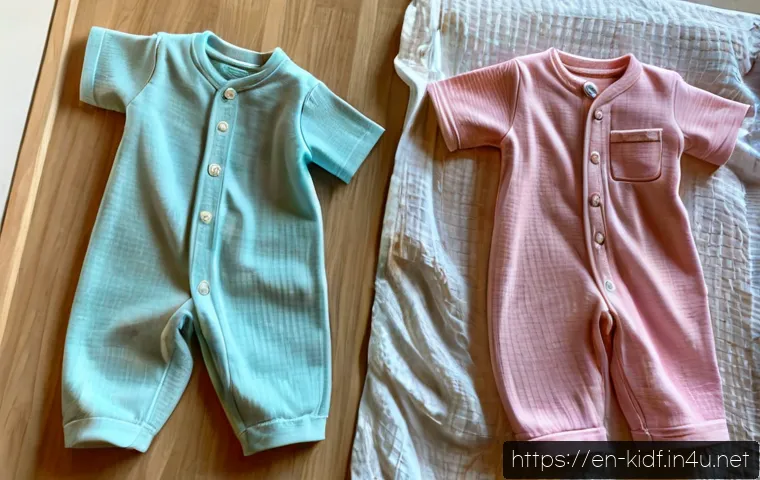
One-piece sleepers are a straightforward option for babies and younger toddlers. They reduce the number of separate items to coordinate and can simplify getting dressed after a bath, before a nap, or at bedtime. For families managing frequent clothing changes, this simplicity can be a meaningful advantage.
Before choosing a sleeper, inspect the closure style and placement. A zipper, snaps, or other fastening system should feel manageable for the caregiver and comfortable for the child. Check the product label carefully: snug-fitting sleepwear may be recommended for certain children’s sleepwear categories, and local safety guidance should be reviewed before purchase.
Two-Piece Pajama Sets: Flexibility for Toilet Training and Changing Weather
Two-piece pajama sets are often useful once a child needs easier bathroom access or has stronger preferences about dressing independently. A separate top and bottom also lets you adjust one layer at a time. For example, a child may need a lighter top in a warm room while still preferring full-length bottoms.
Pay attention to the waistband. It should stay in place without feeling restrictive. Two-piece toddler pajamas can also stretch a small wardrobe further because tops and bottoms may be paired with other compatible loungewear pieces.
Mix-and-Match Lounge Sets: Practical Options for Active Indoor Play
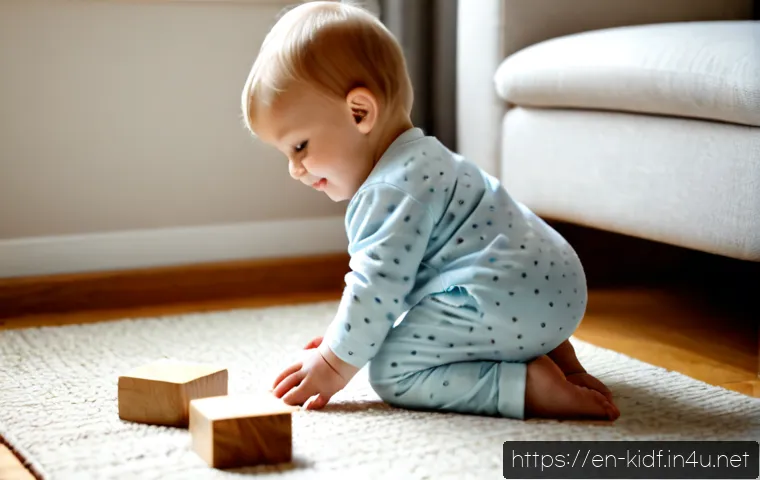
For daytime indoor play, mix-and-match lounge sets can be especially practical. A soft top with comfortable pants or shorts allows children to move, sit, climb, and relax without changing into a different outfit immediately. This approach can make sense for families who want clothing that transitions from quiet play to naptime.
Consider whether each piece works with the rest of the child’s wardrobe. A multipack of separate basics may offer stronger value when every top and bottom can be used in several combinations. If only one or two pieces will be worn regularly, a smaller purchase may be the better choice.
Fabric, Fit, and Care: What Creates Better Everyday Value?
Cotton, Blends, and Specialty Fabrics: Practical Trade-Offs
Cotton remains a common choice for baby clothing and toddler pajamas because it is soft and breathable. Blends and specialty fabrics may offer different feel, stretch, or care characteristics, but the best option depends on the individual child, the household routine, and the product details. If a child has easily irritated skin or possible sensitivities, it is wise to review fabric information closely rather than assuming one material is right for everyone.
Organic cotton clothing may be worth considering when its fabric feel, construction, and care needs fit your priorities. However, a higher price alone does not guarantee that a garment will be the best match for a particular child or household. Compare the item’s measurements, seams, label information, and likely frequency of use.
How to Check Seams, Waistbands, Snaps, Zippers, and Tags
Small construction details can affect whether an outfit becomes a favorite or remains unworn. Look at the inside of the garment when product images or descriptions make this possible. Consider whether seams look likely to sit comfortably, whether the waistband appears gentle, and whether closures are easy to operate during a rushed change.
Tags and decorative details deserve attention too. A decorative feature may look appealing but be uncomfortable when a child lies down, crawls, or moves actively. When comparing children’s sleepwear online, use product descriptions and fit notes to identify these details before adding items to the cart.
When Multipacks Save Money—and When They Create Unused Extras
Multipacks can be useful for high-rotation basics such as simple tops, pants, or cotton sleepwear. They can reduce the need for constant laundry and give caregivers a backup after spills or overnight changes. The value is strongest when the fabric, fit, and colors will all be used regularly.
However, a low-cost multipack is not automatically a better deal. It can create unused extras if the fit is inconsistent, the fabric care is inconvenient, or the child only tolerates certain styles. Compare multipack cost, garment measurements, return terms, and care instructions rather than focusing only on the number of pieces.
Avoid Common Indoor Clothing Mistakes
Buying by Age Label Without Checking Measurements
Children’s sizing varies by retailer, so age labels alone can be unreliable. A garment labeled for a particular age may fit differently depending on cut, fabric stretch, and brand sizing. Use the retailer’s garment measurements and fit notes whenever they are available.

If you are between sizes, think about the intended use. A sleepwear item may need to follow its label guidance, while daytime loungewear may need enough room for comfortable movement. Do not assume that a larger size is always the safer or more practical choice.
Choosing Complicated Closures for Frequent Changes
A beautiful outfit can be frustrating if it slows down diaper changes, bathroom trips, or bedtime. Consider how many times the child may need to be changed in a typical day. For frequent changes, prioritize closures that are easy for the caregiver to use and comfortable for the child.
Check for damaged fasteners before use and avoid loose cords. These details are easy to overlook when shopping, but they affect both comfort and everyday convenience.
Over-Layering or Selecting Fabrics That Are Hard to Wash and Dry
Layering can help with changing indoor temperatures, but too many layers can make a child uncomfortable. Start with a breathable base and add or remove a simple layer as needed. Exact comfort needs vary by home, climate, bedding, and child, so there is no single indoor outfit formula for every family.
Also consider laundry realities. If an item requires more care than you can realistically provide, it may not deliver lasting value. Easy-care baby loungewear can be a better practical purchase than an outfit that looks premium but is rarely worn.
Choose by Situation: Naps, Playtime, Potty Training, and Seasonal Changes
Easy Options for Daycare Mornings and Busy Routines
Busy mornings call for clothing that is easy to identify, put on, and change. One-piece sleepers may suit younger children who need a simple start to the day. Two-piece sets may be easier for toddlers who are practicing independence or need more convenient bathroom access.
Choose familiar, comfortable pieces over outfits with complicated styling. A small group of dependable indoor outfits can make packing, changing, and laundry more predictable.
Indoor Outfits for Warm Homes Versus Cooler Rooms
Room temperature can change between morning, nap time, and evening. Rather than relying on one thick garment, consider a breathable outfit with a simple removable layer. This approach gives caregivers more flexibility without requiring a complete wardrobe for every small temperature change.
Review how the child sleeps and what bedding is used before choosing heavier sleepwear. Product labels and local sleepwear guidance should guide decisions about children’s sleep clothing, especially where snug-fitting styles are indicated.
What to Prioritize for Children with Easily Irritated Skin
For children who seem bothered by certain clothing, prioritize softness, smooth seams, gentle waistbands, and simple construction. Fabric choice can be personal, and the best material for a child with sensitive skin or allergies cannot be determined from a general shopping guide alone.
Read the fabric content and care label, then observe how the child responds to the garment. Avoid assuming that a specialty fabric or higher-priced option will automatically solve comfort concerns.
Selection Criteria and Comparison Summary
Before buying baby sleepwear, toddler pajamas, or indoor lounge sets, use this short checklist:
- Routine: Is the outfit mainly for naps, active play, diaper changes, or toilet training?
- Fit: Have you checked garment measurements and fit notes rather than relying only on age labels?
- Comfort: Are the seams, waistband, tags, and closures likely to feel comfortable during movement and rest?
- Care: Can the item be washed and dried in a way that fits your household routine?
- Value: Will a multipack be worn fully, or would fewer durable basics be more useful?
Choose budget basics when the pieces will be used frequently and are easy to replace. Consider premium fabric or fewer better-made pieces when comfort, construction, and repeat wear matter more than having many options. Compare fabric care, sizing policy, and multipack cost before buying; official product pages are the best place to confirm label details and retailer conditions.
Closing Thoughts
Comfortable indoor clothing does not need to be complicated. Start with breathable fabric, an easy fit, and a style that supports the child’s actual routine. One-piece sleepers, two-piece pajama sets, and lounge separates can all be useful when chosen for the right situation. The best value usually comes from pieces that are comfortable enough to wear often and simple enough to care for repeatedly.
Useful Things to Know
1. Layering can be more flexible than buying a separate heavy outfit for every temperature change.
2. Separate tops and bottoms can extend a wardrobe when the pieces mix easily.
3. Product labels may include important fit and sleepwear guidance.
4. A simple closure can matter more in daily use than an elaborate design.
5. Multipacks are most useful when every piece matches the child’s needs and laundry routine.
Important Notes
Individual comfort needs vary, especially for children with sensitive skin or possible allergies. Indoor temperature needs also depend on the home, climate, bedding, and child. Check garment labels, retailer information, measurements, and applicable local sleepwear guidance before purchasing or using a specific item. Total cost can vary after shipping, returns, discounts, and bundle pricing.
Frequently Asked Questions
Q1. Are one-piece pajamas or two-piece sets better for toddlers?
A1. It depends on the routine. One-piece pajamas can simplify dressing and may work well for younger children, while two-piece sets are often more convenient for toilet training and changing temperatures. Check fit, closures, and the sleepwear label before deciding.
Q2. Is organic cotton worth the higher price for children’s indoor clothes?
A2. It may be worth considering if the fabric feel, construction, care requirements, and expected use fit your priorities. A higher price does not automatically make it the best option for every child, so compare fabric details, measurements, and how often the item is likely to be worn.
Q3. How many indoor outfits does a baby or toddler usually need?
A3. There is no single number because needs depend on changing frequency, laundry routines, weather, and the child’s daily activities. A practical approach is to choose enough comfortable, easy-care pieces to cover regular changes without purchasing extras that are unlikely to be used.